Proteins constitute one of the three primary macronutrient classes, together with carbohydrates and lipids, and as such serve as a significant source of dietary energy. Beyond their energetic contribution, proteins are crucial for normal growth and maintenance of the organism, immune health, cell structure (keratin, collagen, elastin), communication between cells and tissues through peptide hormones, catalysing biochemical reactions as enzymes, and the overall maintenance of physiological homeostasis.
Furthermore, protein intake has been associated with increased concentrations of high-density lipoprotein (HDL) cholesterol, improved bone health and mineralization, and enhanced thermogenesis and satiety, thereby contributing to weight management. The Recommended Dietary Allowance (RDA) for protein consumption is 0.8 g/kg of body weight/ day for a healthy adult. Nevertheless, some specific groups require higher intake, including older adults, pregnant and lactating women, athletes, and individuals with elevated physical activity levels.
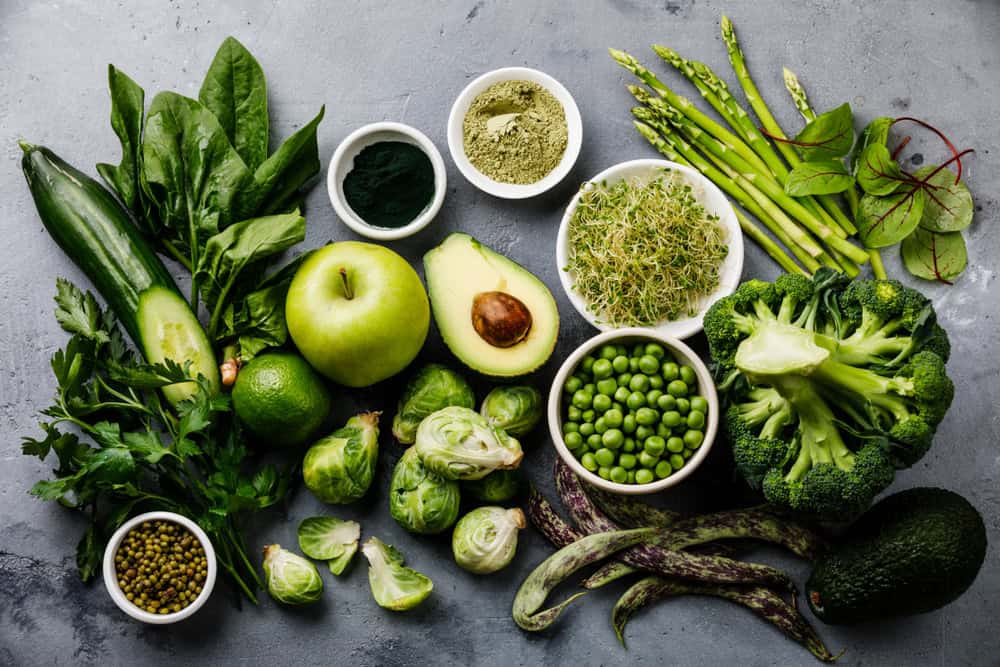
Evidence suggests that protein consumption at or above current recommendations may have additional health benefits, including increased leg power and gait speed, increased lean body mass, and improved bone density. Given these physiological advantages, the growing popularity of high-protein products doesn’t surprise, but their source and overall quality should be considered. According to the USDA Dietary Guidelines (2020–2025), even though approximately three quarters of Americans meet or exceed the recommendation for meat, poultry, and egg intake, nearly 90 % fail to meet the recommendations for seafood intake, and more than half of the American population consumes insufficient amounts of nuts, seeds, and soy products. These guidelines therefore emphasize the need to replace animal products, especially processed or high-fat meats, with seafood or beans, peas, and lentils, which could also help reduce saturated fat and sodium intake while increasing dietary fibre consumption.
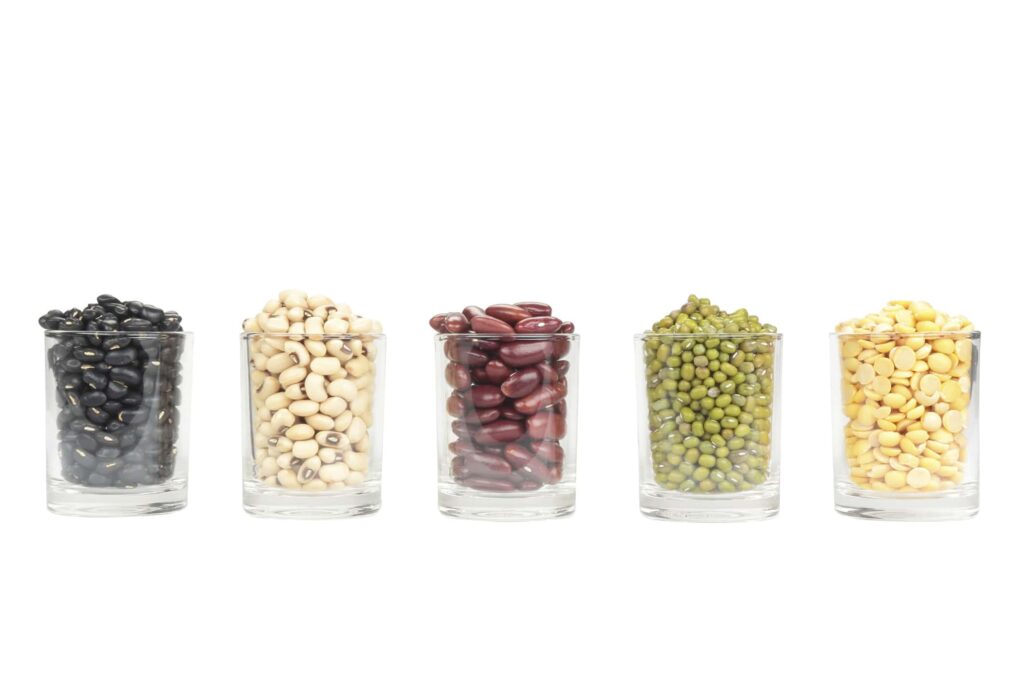
Plant proteins, or plant-based proteins, are protein fractions derived from a variety of plant sources. These primarily include pulses or legumes (peas, beans, lentils, chickpeas, and faba beans), cereals (rice, wheat, corn, millet, and barley), pseudocereals (quinoa, amaranth, and buckwheat), seeds (flaxseeds, pumpkin seeds, chia, and sunflower seeds), nuts (almonds, hazelnuts, and peanuts), and algae (e.g. microalgae).
Growing consumer preference for plant-based proteins is driven by multiple factors, including concerns regarding sustainability, nutrition and health, animal welfare, ethics, and environmental impact. Plant protein production is expected to result in much lower greenhouse gas emissions, reduced pollution, land or water use, and less biodiversity loss. Economic factors are also of great importance, with plant-derived proteins representing an inexpensive alternative to animal-based proteins. In addition, climate change and biodiversity loss are limiting supply stability and raising the costs of animal-protein production. For example, producing 1 kg of plant-based burger has been estimated to generate approximately 90% fewer greenhouse gas emissions and to require 93% less land area, 99% less water, and 46% less energy than producing an equivalent quantity of beef burgers. Moreover, reallocating land currently dedicated to livestock production toward plant protein cultivation could theoretically yield up to ten times greater protein output, with the potential to feed 10-20 times more people.
Plant proteins are traditionally classified as follows: albumins (soluble in water but susceptible to heat coagulation), globulins (soluble in dilute salt solution), prolamins (soluble in 70-80% ethanol solution, heat resistant), and glutelins (soluble in dilute alkaline solutions). Globulins represent the predominant storage proteins in legumes and seeds, accounting for 60–80% of total protein content, followed by albumins, which account for approximately 10–25%.
Dietary protein quality is determined by its content and bioavailability of indispensable (essential) amino acids, which cannot be synthesized by the human body and therefore must be supplied through the diet. In 1989, a joint FAO/WHO Expert Consultation proposed protein quality assessment by comparing the concentration of the first limiting indispensable amino acid in a test protein with that of a reference amino acid pattern, and correcting this ratio for true faecal protein digestibility as determined in a rat model.
This approach led to the adoption of the Protein Digestibility Corrected Amino Acid Score (PDCAAS), which, for more than three decades, served as the standard method for evaluating protein quality in human nutrition. However, several methodological limitations of PDCAAS have been identified, including reliance on total tract crude protein digestibility rather than individual amino acid digestibility, the assumption that all amino acids are equally digestible, and extrapolation of results from the rat model to human physiology.
In response to these concerns, the Food and Agriculture Organization recommended in 2013 adopting the Digestible Indispensable Amino Acid Score (DIAAS) as a more precise alternative. Unlike PDCAAS, DIAAS is based on the true ileal digestibility of each individual indispensable amino acid, thereby providing a more accurate assessment of amino acid bioavailability. DIAAS values of certain protein-dense foods are given in Table 1.
Table 1 DIAAS values of certain protein-rich food sources.
| Protein source | DIAAS value |
| corn | 36 |
| rice | 47 |
| wheat | 48 |
| oat | 57 |
| pea | 70 |
| soy | 91 |
| potato | 100 |
| whey | 85 |
| eggs | 101 |
| pork | 117 |
| casein (milk) | 117 |
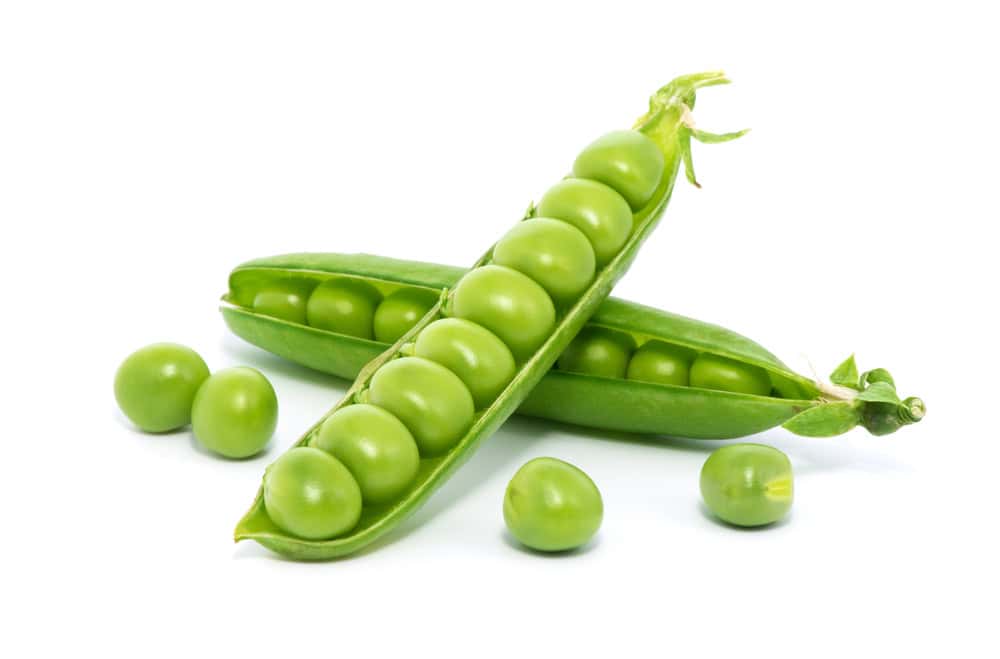
Legumes generally contain between 20 and 35% protein on a dry weight basis, although this amount varies depending on species, environmental conditions, and stage of maturity. Compared to cereal grains, legume proteins are generally richer in lysine and threonine, but are often limited in sulphur-containing amino acids such as methionine and cysteine, and, in some cases, tryptophan.
As already mentioned, for a protein to be considered of high quality for human nutrition, it must provide sufficient quantities of all essential amino acids and be efficiently digested and absorbed. Although many plant proteins contain appreciable levels of essential amino acids, their nutritional value may be constrained by lower digestibility and the presence of antinutritional factors, including dietary fibre and trypsin inhibitors.
Traditionally, soy has been regarded as the primary plant-based complete protein, although advances in processing technologies have highlighted pea protein as another plant source containing all nine essential amino acids. Although animal proteins have often been considered superior for supporting muscle protein synthesis and athletic performance due to their amino acid profile and bioavailability, current evidence indicates that well-planned plant-based diets can adequately support muscle maintenance and development when sufficient amounts and complementary protein combinations are consumed.
Combining different plant sources, such as cereals, typically limited in lysine but adequate in sulphur-containing amino acids, and pulses, lysine-rich but methionine-limited, is a great approach for achieving a complementary amino acid profile and improving overall protein quality. Rice and beans, oatmeal with nuts or seeds, and wheat bread with peanut butter are simple dietary examples of ways to enhance both the nutritional value and the amino acid complementarity of plant-based meals.
An additional benefit of plant-based dietary patterns, beyond their contribution to overall protein intake, is their simultaneous provision of complex carbohydrates, including soluble and insoluble dietary fibre, as well as slow-digesting starches and oligosaccharides, particularly in pulses. In addition to their favourable carbohydrate profile, legumes are characterized by their high protein density relative to energy content, while contributing minimal fat compared with many animal-derived protein sources.
Compared with cereal grains, which generally provide lower protein proportions, legumes represent one of the most concentrated plant-based protein sources. Moreover, legumes provide a broad spectrum of micronutrients, including potassium, magnesium, folate, selenium, and phosphorus, and contain bioactive compounds associated with favourable lipid profiles and potential protective effects against certain malignancies. Dietary patterns emphasizing plant-based protein sources have been linked to improved cardiometabolic health outcomes, including reduced risk of cardiovascular disease, obesity, type 2 diabetes, and metabolic syndrome. These benefits are attributed not only to fibre-mediated effects on gastrointestinal health, satiety, and glycaemic regulation, but also to the specific amino acid composition, which may enhance insulin sensitivity, modulate glucagon secretion, and promote lipolysis and gluconeogenesis.
Importantly, when total protein intake meets physiological requirements and a variety of plant protein sources are consumed to ensure adequate intake of indispensable amino acids, plant-based dietary patterns can support muscle mass maintenance and strength development to a degree comparable to omnivorous diets.
Although greater consumption of plant proteins offers recognized health and sustainability advantages, it may also be associated with higher intake of antinutritional compounds, such as tannins, trypsin inhibitors, and phytates, which can impair their digestibility and amino acid availability. Tannins and other polyphenols can form complexes with proteins and chelate minerals, including iron, zinc, and calcium, thereby reducing nutrient bioavailability.
In parallel, protease inhibitors interfere with the activity of digestive enzymes, limiting efficient protein hydrolysis. However, evidence indicates that conventional processing and preparation methods markedly attenuate these effects. Thermal treatment is particularly effective in deactivating protease inhibitors (cooking has been shown to reduce trypsin inhibitor activity in pulses by nearly 90%), thereby markedly improving protein accessibility. Similarly, soaking and germination decrease tannin and polyphenol concentrations, while fermentation facilitates phytate degradation through the action of endogenous and microbial enzymes. Mechanical processing strategies, such as milling into flour or producing protein concentrates and isolates, further enhance digestibility by disrupting cell wall structures that physically entrap proteins. Although protein isolation techniques can improve nutritional quality, they may involve higher environmental costs, particularly when water-intensive extraction methods are employed. In addition to nutritional considerations, sensory characteristics represent a further challenge for plant protein applications.
Compared with dairy proteins, plant-derived proteins frequently exhibit more pronounced off-flavours. Soy proteins are commonly described as having “green,” “beany,” or “grassy” notes, whereas pea proteins may express “beany,” “green pea,” “grassy,” “cardboard-like,” sulphurous, or other undesirable flavour attributes. These sensory properties can limit consumer acceptance and often necessitate additional processing, flavour masking, or formulation strategies. Furthermore, certain protein-rich plant sources, including soybean, peanut, and wheat, are recognized allergens, with emerging evidence suggesting a rising prevalence of hypersensitivity reactions to other legumes, such as peas and lentils.
Besides legumes and grains, microalgae have emerged as a novel and promising source of dietary protein. Species such as Arthrospira, Chlorella, Aphanizomenon, and Nostoc, have attracted increasing attention as sustainable alternative protein sources for food and feed applications. While macroalgae typically contain 9-47% protein on a dry weight basis, microalgae may reach protein concentrations of up to 70%, positioning them among the most protein-dense biological materials available. In addition to protein content, algae represent a rich source of vitamins, minerals, dietary fibre–like polysaccharides, and a diverse array of bioactive peptides associated with antioxidant, antihypertensive, immunomodulatory, and other health-promoting properties.

Algal proteins generally supply all indispensable amino acids and are therefore similar to soybean proteins and considered complete proteins. Among microalgae, Arthrospira platensis (commonly referred to as spirulina) is particularly notable for its 55–70% protein content, favourable amino acid profile, and functional properties, including emulsifying and stabilizing capacities suitable for incorporation into formulated foods. This considerable protein content supports its application in functional food development. From a regulatory perspective, where certain species, such as Arthrospira and Chlorella, have achieved Generally Recognized as Safe (GRAS) status in the United States, other microalgal products are still subject to premarket evaluation in both the U.S. and the European Union. Despite their nutritional promise, safety concerns remain, as marine-derived algae may accumulate iodine, heavy metals, and other environmental contaminants.
Sensory characteristics also present formulation challenges, since many algal proteins exhibit intense green pigmentation, marine or fish-like aromas, umami notes, and, in some species, bitterness. Spirulina, often described as a “superfood,” is characterised by dark, black colour and intense, earthy aroma, which may limit its inclusion in certain products. Nevertheless, strategic processing and product development approaches continue to expand the feasibility of algae-derived proteins as functional, nutrient-dense ingredients aligned with health and sustainability objectives. Incorporation of spirulina into the diet has been associated with potential health benefits, such as boosting the immune system, stimulating anti-inflammatory effects, and improving muscle strength and endurance.
In conclusion, proteins are essential for growth, structural integrity, metabolic regulation, and the maintenance of overall physiological homeostasis. Although total protein intake is generally sufficient in many populations, the distribution of protein sources in the diet is often not optimally balanced. Increasing the variety of protein sources, particularly by incorporating more nutrient-dense plant-based options, can help improve overall diet quality. When consumed in adequate amounts and thoughtfully combined to ensure a complementary, indispensable amino acid profile, plant proteins can effectively support muscle maintenance, bone health, and cardiometabolic function.
Beyond their protein content, plant-based diets offer additional benefits through their high content of dietary fibre, micronutrients, and bioactive compounds, while having significantly lower environmental impact than animal-based protein production systems. Novel protein sources, such as microalgae, further broaden the spectrum of high-quality, sustainable protein ingredients, though safety, taste, and regulatory considerations require careful consideration. Overall, current scientific evidence supports a gradual shift from animal-protein based diets towards a more diverse and balanced intake of plant protein sources, promoting both individual health and long-term environmental sustainability.
References:
Ahnen, R. T., Jonnalagadda, S. S., Slavin, J. L. (2019) Role of plant protein in nutrition, wellness, and health. Nutr Rev 77, 735 – 747. doi: 10.1093/nutrit/nuz028
Azizi, R., Baggio, A., Capuano, E., Pellegrini, N. (2025) Protein transition: focus on protein quality in sustainable alternative sources. Crit Rev Food Sci Nutr 65, 3401 – 3421. doi: 10.1080/10408398.2024.2365339
Herreman, L., Nommensen, P., Pennings, B., Laus, M. C. (2020) Comprehensive overview of the quality of plant- And animal-sourced proteins based on the digestible indispensable amino acid score. FSN8, 5379 – 5391. doi: 10.1002/fsn3.1809
Hertzler, S. R., Lieblein-Boff, J. C., Weiler, M., Allgeier, C. (2020) Plant Proteins: Assessing Their Nutritional Quality and Effects on Health and Physical Function. Nutrients 12, 3704. doi: 10.3390/nu12123704
Hu, F. B. (2003) Plant-based foods and prevention of cardiovascular disease: an overview. Am J Clin Nutr 78, 544 – 551. doi: 10.1093/ajcn/78.3.544S
Institute of Medicine. (2005) Dietary Reference Intakes for Energy, Carbohydrate, Fiber, Fat, Fatty Acids, Cholesterol, Protein, and Amino Acids (Macronutrients). National Academies Press, Washington, DC.
Liu, Y., Aimutis, W. R., Drake, M. A. (2024) Dairy, Plant, and Novel Proteins: Scientific and Technological Aspects. Foods 13, 1010. doi: 10.3390/foods13071010
Lopez-Moreno, M., Kraselnik, A. (2025) The Impact of Plant-Based Proteins on Muscle Mass and Strength Performance: A Comprehensive Review. Curr Nutr Rep 14, 37. doi: 10.1007/s13668-025-00628-1
Luzardo-Ocampo, I., de Mejia, E. G. (2025) Plant proteins and peptides as key contributors to good health: A focus on pulses. Food Res Int 211, 116346. doi: 10.1016/j.foodres.2025.116346
Maddaly, R., Sai, L. D., Syed, A., Solomon, F. D. P. (2010) The beneficial effects of spirulina focusing on its immunomodulatory and antioxidant properties. Nutr Diet Suppl 2010, 73 – 83. doi: 10.2147/NDS.S9838
Opazo-Navarrete, M., Burgos-Diaz, C., Bravo-Reyes, C., Gajardo-Poblete, I., Chacon-Fuentes, M., Reyes, J. E., et al. (2025) Comprehensive Review of Plant Protein Digestibility: Challenges, Assessment Methods, and Improvement Strategies. Appl Sci 15, 3538. doi: 10.3390/app15073538
Schaafsma, G. (2000) The Protein Digestibility–Corrected Amino Acid Score. J Nutr 130, 1865 – 1867. doi: 10.1093/jn/130.7.1865S
Senaweera, Y. T., Rathnayaka, H. A. (2024) Plant Protein as an Alternative Source for Animal Protein: A Review.J Nutr Food Sci 3, 61 – 88. doi: 10.4038/jnfs.v3i1.17
USDA (2020) Dietary Guidelines for Americans 2020 – 2025. USDA – Unites States Department of Agriculture https://www.dietaryguidelines.gov/sites/default/files/2021-03/Dietary_Guidelines_for_Americans-2020-2025.pdf
Zheng, Y., Li, Y., Satija, A., Pan, A., Sotos-Prieto, M., Rimm, E., et al. (2019) Association of changes in red meat consumption with total and cause specific mortality among US women and men: two prospective cohort studies. BMJ 365, I2110. doi: 10.1136/bmj.l2110