Hydration is a foundational pillar of health, influencing everything from cognitive function and skin elasticity to cardiovascular efficiency and detoxification. However, optimal hydration remains a clinical and nutritional challenge across populations. While fluid intake is the most obvious strategy, the reality is considerably more nuanced. Achieving and maintaining hydration status should be approached holistically: through dietary adjustments, functional supplements, and targeted medical nutrition solutions.
This broader understanding opens opportunities not only for healthcare professionals and pharmacists, but also for product developers, wellness brands, and nutraceutical marketers to offer solutions that are evidence-based, consumer-friendly, and clinically relevant.
Maintaining adequate hydration is critical for overall health, impacting various physiological functions ranging from cognitive performance to kidney function1. Many individuals, particularly older adults and those with chronic diseases, often struggle to maintain sufficient hydration levels (Figure 1), leading to adverse health outcomes and increased healthcare burdens2.
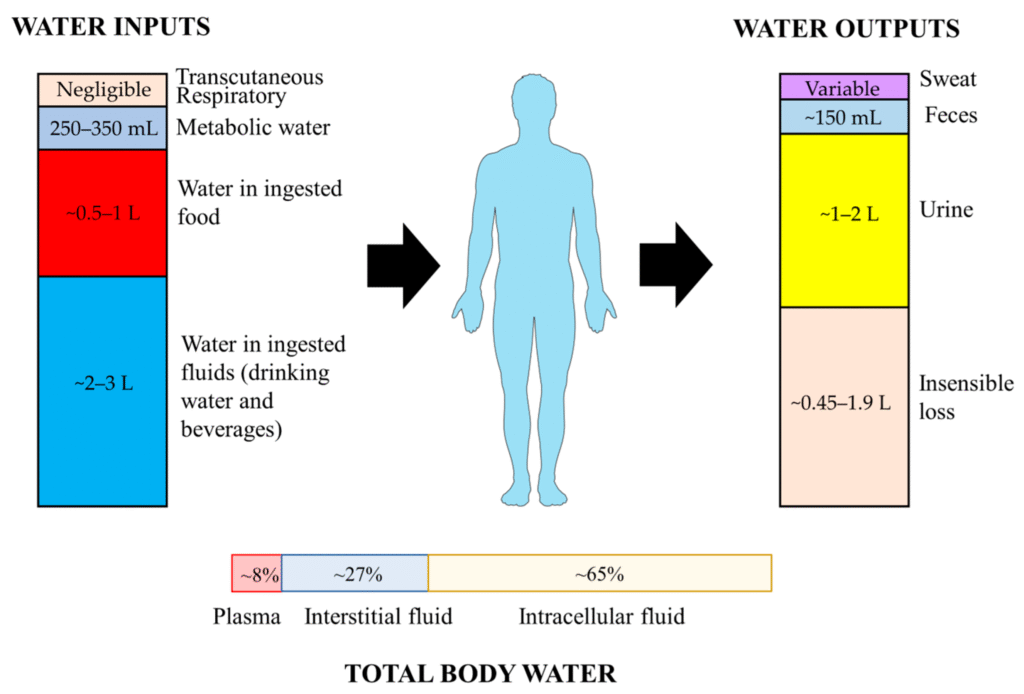
Figure 1 Sources of water inputs and outputs on human body and distribution of total body water2.
Hydration is essential for life, as water constitutes a significant proportion of the human body and participates in numerous biochemical reactions3. Dehydration can impair cognitive functions such as concentration, alertness, and short-term memory, underscoring the importance of maintaining optimal hydration levels for day-to-day health4. Dehydration is common in the aged population, with an estimated prevalence of 20–30 %. Achieving and maintaining optimal hydration can be approached through various strategies, including dietary modifications, food supplements, and specialized medical foods designed for specific health conditions.
Hydration through diet
Addressing hydration through diet involves selecting foods with high water content, such as fruits and vegetables4. Fresh food and vegetables like cucumbers, watermelons, spinach, and strawberries not only contribute to overall fluid intake (water content exceeding 90%) but also provide essential electrolytes and nutrients that support hydration and overall health. These foods can be incorporated into daily meals and snacks to increase water intake without relying solely on beverages5.
Nutrition plays a critical role in maintaining water balance within the body. While the average recommendation is to drink 1.5 to 2.5 liters of water per day, hydration from food sources accounts for up to 20–30% of daily fluid intake, depending on dietary habits. Furthermore, diets rich in plant-based fibers aid in water retention in the colon, supporting both digestion and systemic hydration. Minerals such as potassium and magnesium (found in avocados, spinach, nuts, and legumes) are essential for intracellular hydration, counterbalancing sodium-driven water retention and preventing cramping or fatigue.
It’s important to recognize dietary patterns that may compromise hydration. Excess sodium intake, high consumption of processed foods, caffeine overuse, and alcohol intake all promote diuresis and fluid loss. Therefore, public health messaging should emphasize a shift toward whole-food, anti-inflammatory eating patterns that naturally support fluid balance.
Food supplements play an increasingly significant role in supporting hydration, particularly in high-demand scenarios such as intense physical activity, aging, stress, and recovery from illness. These products go beyond just replacing fluids – they restore electrolyte balance, reduce oxidative stress, and optimize cellular water retention. They can be crucial in maintaining hydration, particularly for individuals with specific needs or limitations. Electrolyte supplements, for instance, can help replenish minerals lost through sweat or urine, which is especially important for athletes or individuals engaged in strenuous physical activity. Furthermore, supplements containing specific amino acids or herbal extracts may indirectly support hydration by improving fluid retention or reducing fluid loss6. It’s crucial to acknowledge that no single method can serve as a criterion measure to assess hydration status in all settings7. Also, the total body water can be determined using the deuterium (D2O) or tritium (3H2O) dilution method, which involves the administration of a known dose of stable isotope (deuterium) or radioactive isotope and determination of its dilution space after equilibrium has been reached8.
Food for special medical purposes represents a category of products specifically formulated to meet the nutritional requirements of individuals with particular medical conditions. These products can be designed to address dehydration in several ways, such as providing easily absorbable fluids and electrolytes, supporting kidney function, or managing fluid balance in individuals with heart failure or liver disease9. These specialized foods must be used under medical supervision and are intended to complement or replace conventional foods in individuals with limited capacity to ingest, digest, absorb, or metabolize ordinary foods or certain nutrients.
Hydration in exercies
In exercise, maintaining adequate hydration is essential for optimising performance and preventing hypohydration, which can impair aerobic performance and cognitive function10,11. Individualised fluid-replacement strategies are crucial for physically active individuals to promote both performance and safety12. Athletes need to be educated regarding the benefits of fluid replacement to encourage performance and safety and the potential risks of both hypohydration and hyperhydration on health and physical performance12. It has been found out that younger or recreational athletes are more likely to receive generalized nutritional information of poorer quality from individuals such as coaches13.
Hypohydration can impair aerobic performance and deteriorate cognitive function during exercise. To minimize hypohydration, athletes are recommended to commence exercise at least euhydrated, ingest fluids containing sodium during long-duration and/or high-intensity exercise to prevent body mass loss over 2%. It is important to rapidly restore and retain fluid and electrolyte homeostasis before a second exercise session. To achieve these goals, the compositions of the fluids consumed are key; however, it remains unclear what can be considered an optimal formulation for a hydration beverage in different settings.
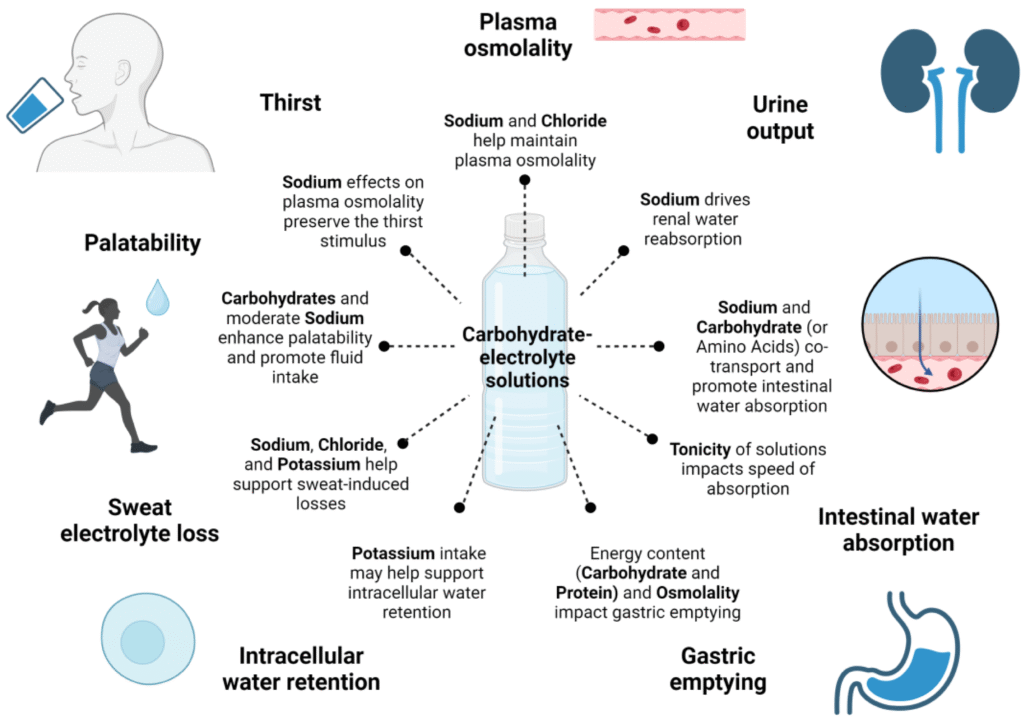
Figure 2. Impact of carbohydrate – electrolyte solution (CES) compositional aspects on hydration-related outcomes11.
While carbohydrate–electrolyte solutions (Figure 2.), such as sports drinks, have been extensively explored as a source of carbohydrates to meet fuel demands during intense and long-duration exercise, these formulas might not be ideal in situations where fluid and electrolyte balance is impaired, such as practising exercise in the heat. Alternately, hypotonic compositions consisting of moderate to high levels of electrolytes (i.e., ≥45 mmol/L), mainly sodium, combined with low amounts of carbohydrates (i.e., <6%) might be useful to accelerate intestinal water absorption, maintain plasma volume and osmolality during exercise, and improve fluid retention during recovery11.
Furthermore, practical limitations to fluid availability during training and competition can significantly impede an athlete’s capacity to adequately replace fluid losses14.
Bioavailability of hydration products
The bioavailability of hydration products, including food supplements and foods for special medical purposes, is a critical factor determining their effectiveness. Factors such as the product’s formulation, the presence of other nutrients, and individual physiological characteristics can all influence how well the body absorbs and utilises the fluids and electrolytes provided by these products. To ensure optimal bioavailability, hydration products should be formulated with consideration for factors such as osmolality, electrolyte composition, and the presence of absorption enhancers.
Adding carbohydrates to a fluid replacement solution can enhance intestinal absorption of water15. However, athletes should balance carbohydrate intake with fluid intake plans because foods and highly concentrated carbohydrate solutions have been shown to reduce fluid absorption16. It is critical to educate athletes and trainers on the importance of personalized hydration strategies and the appropriate use of food supplements and special medical foods to maintain optimal hydration, especially during intense physical activity12,14,15. Further research is needed to optimize the formulation and use of these products to maximize their effectiveness in different populations and clinical settings.
Technology enhancing the bioavailability of hydration products
Advancements in food technology offer innovative approaches to enhance the bioavailability of hydration products. Encapsulation techniques, such as liposomes or hydrogels, can protect electrolytes and other nutrients from degradation in the digestive tract, improving their absorption. Additionally, nanotechnology can be used to create nano-sized particles of electrolytes that are more easily absorbed by the body. The use of permeation enhancers can also improve the absorption of fluids and electrolytes across the intestinal barrier. These technological advancements hold promise for developing more effective hydration products that can better meet the needs of individuals with specific medical conditions or those engaged in strenuous physical activity. Nanoencapsulation of bioactives using biocompatible and biodegradable carbohydrates can improve delivery system design17. Nanoencapsulation can help increase water solubility/dispersibility in foods and beverages, improve bioavailability, mask undesired flavours/tastes, enhance shelf-life and compatibility during production, storage, transportation and utilisation of food products, and control release rate or specific delivery environment for better performance on their functionalities18.
Furthermore, nanotechnology contributes significantly to food manufacturing, packaging, safety, quality, nutraceuticals, and functional foods. Nanoencapsulation protects nutraceuticals from extreme conditions like low gastric pH and optimises their release during digestion, as well as increases the solubility of functional constituents19,20. Nanotechnology (Figure 3.) improves the stability, solubility, and bioavailability of nutrients21.
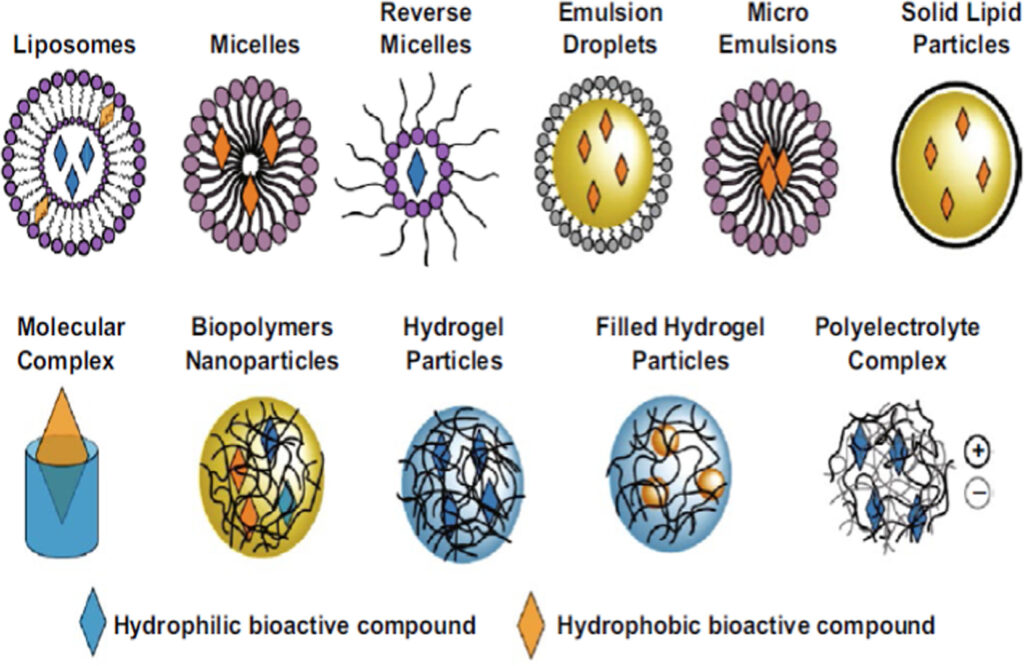
Figure 3. Different nano-based delivery systems to improve the bioavailability of encapsulated micronutrients21
The application of nano-based delivery systems could open new paths for applications and significant advances in food, benefiting human nutrition21,22.
The hydration supplements market in Europe
The European hydration supplements market is projected to exhibit substantial growth in the coming years, driven by increasing awareness of the importance of hydration for health and performance. The food industry has been witnessing a rise in the application of micro- and nano-based delivery systems22. The market is also fueled by the growing popularity of sports and fitness activities, as well as the increasing prevalence of dehydration-related medical conditions. The increasing consumer demand for healthier, natural, and organic food products is also driving innovation in the hydration supplements market, with manufacturers increasingly focusing on developing products that meet these preferences. Hydration supplements containing natural ingredients and free from artificial additives are gaining popularity among health-conscious consumers.
Personalised nutrition products, formulated based on individual genetics, epigenetics, metabolism, microbiome, phenotype, lifestyle, age, gender, and health status, are gaining traction and presenting opportunities and challenges in creating customised functional food and beverage products with tailored combinations of bioactive compounds23. The food industry has been witnessing a rise in the application of micro- and nano-based delivery systems24.
Conclusion
Optimal hydration is critical to overall health, physical performance, and the regulation of numerous clinical conditions. While water consumption remains the priority for hydration, food-based supplements and medical speciality foods can play an important role in addressing personal hydration needs and enhancing fluid and electrolyte balance. Individualised management of hydration, tailored to the needs and situations of each individual, is required to optimise hydration benefits. By adding food supplements and special medical foods to balanced hydration regimens, individuals and health care workers can effectively manage dehydration, improve physical function, and improve overall health.
References:
- Liska D, Mah E, Brisbois T, Barrios PL, Baker LB, Spriet LL. Narrative Review of Hydration and Selected Health Outcomes in the General Population. Nutrients. 2019; 11(1):70. https://doi.org/10.3390/nu11010070
- Li S, Xiao X, Zhang X. Hydration Status in Older Adults: Current Knowledge and Future Challenges. Nutrients. 2023; 15(11):2609. https://doi.org/10.3390/nu15112609
- Li S, Xiao X, Zhang X. Hydration Status in Older Adults: Current Knowledge and Future Challenges. Nutrients. 2023; 15(11):2609. https://doi.org/10.3390/nu15112609
- Patrick Ritz, Gilles Berrut, The Importance of Good Hydration for Day-to-Day Health, Nutrition Reviews, Volume 63, Issue suppl_1, June 2005, Pages S6–S13, https://doi.org/10.1111/j.1753-4887.2005.tb00155.x
- Barry M Popkin, Kristen E D’Anci, Irwin H Rosenberg, Water, hydration, and health, Nutrition Reviews, Volume 68, Issue 8, 1 August 2010, Pages 439–458, https://doi.org/10.1111/j.1753-4887.2010.00304.x
- Bender, Brian F., Nick J. Johnson, Jasmine A. Berry, Kelvin M. Frazier, and Michael B. Bender. 2022. “Automated Urinal‑Based Specific Gravity Measurement Device for Real‑Time Hydration Monitoring in Male Athletes.” Frontiers in Sports and Active Living 4:921418. https://doi.org/10.3389/fspor.2022.921418.
- Belval, Luke N., Yuri Hosokawa, Douglas J. Casa, William M. Adams, Lawrence E. Armstrong, Lindsay B. Baker, Louise Burke, Samuel Cheuvront, George Chiampas, José González-Alonso, and et al. 2019. “Practical Hydration Solutions for Sports” Nutrients 11, no. 7: 1550. https://doi.org/10.3390/nu11071550
- Lawrence E. Armstrong, Hydration Assessment Techniques, Nutrition Reviews, Volume 63, Issue suppl_1, June 2005, Pages S40–S54, https://doi.org/10.1111/j.1753-4887.2005.tb00153.x
- Cohen, Rachel, Geoff Fernie, and Atena Roshan Fekr. 2021. “Fluid Intake Monitoring Systems for the Elderly: A Review of the Literature” Nutrients 13, no. 6: 2092. https://doi.org/10.3390/nu13062092
- Aoi, W., Naito, Y. & Yoshikawa, T. Exercise and functional foods. Nutr J 5, 15 (2006). https://doi.org/10.1186/1475-2891-5-15
- Pérez-Castillo, Íñigo M., Jennifer A. Williams, José López-Chicharro, Niko Mihic, Ricardo Rueda, Hakim Bouzamondo, and Craig A. Horswill. 2024. “Compositional Aspects of Beverages Designed to Promote Hydration Before, During, and After Exercise: Concepts Revisited” Nutrients 16, no. 1: 17. https://doi.org/10.3390/nu16010017
- McDermott, Brendon P., Scott A. Anderson, Lawrence E. Armstrong, Douglas J. Casa, Samuel N. Cheuvront, Larry Cooper, W. Larry Kenney, Francis G. O’Connor, and William O. Roberts. 2017. “National Athletic Trainers’ Association Position Statement: Fluid Replacement for the Physically Active.” Journal of Athletic Training 52, no. 9 (September): 877–895. https://doi.org/10.4085/1062‑6050‑52.9.02.
- Beck, Kathryn L., Jasmine S. Thomson, Richard J. Swift, and Pamela R. von Hurst. 2015. “Role of Nutrition in Performance Enhancement and Postexercise Recovery.” Open Access Journal of Sports Medicine 6 (August): 259–67. https://doi.org/10.2147/OAJSM.S33605.
- Belval, Luke N., Yuri Hosokawa, Douglas J. Casa, William M. Adams, Lawrence E. Armstrong, Lindsay B. Baker, Louise Burke, Samuel Cheuvront, George Chiampas, José González-Alonso, and et al. 2019. “Practical Hydration Solutions for Sports” Nutrients 11, no. 7: 1550. https://doi.org/10.3390/nu11071550
- Convertino, Victor A. Ph.D., FACSM, (Chair); Armstrong, Lawrence E. Ph.D., FACSM; Coyle, Edward F. Ph.D., FACSM; Mack, Gary W. Ph.D; Sawka, Michael N. Ph.D., FACSM; Senay, Leo C. Jr. Ph.D., FACSM; Sherman, W. Michael Ph.D., FACSM. ACSM Position Stand: Exercise and Fluid Replacement. Medicine & Science in Sports & Exercise 28(10):p i-ix, October 1996.
- Jeukendrup, A. A Step Towards Personalized Sports Nutrition: Carbohydrate Intake During Exercise. Sports Med 44 (Suppl 1), 25–33 (2014). https://doi.org/10.1007/s40279-014-0148-z
- Fathi, Milad, Ángel Martín, and David Julian McClements. 2014. “Nanoencapsulation of Food Ingredients Using Carbohydrate Based Delivery Systems.” Trends in Food Science & Technology 39 (September): 18–39. https://doi.org/10.1016/j.tifs.2014.06.007
- Zhu, Jieyu, and Qingrong Huang. 2019. “Chapter Four: Nanoencapsulation of Functional Food Ingredients.” In Food Applications of Nanotechnology, edited by Loong‑Tak Lim and Michael Rogers, 129–165. Advances in Food and Nutrition Research, vol. 88. Academic Press Inc. Published online April 9, 2019; Version of Record May 28, 2019. https://doi.org/10.1016/bs.afnr.2019.03.005.
- Nallamuthu, Ilaiyaraja, Farhath Khanum, Syeda Juveriya Fathima, Mahantesh Mallikarjun Patil, and Tamatam Anand. 2017. “Enhanced Nutrient Delivery through Nanoencapsulation Techniques: The Current Trend in Food Industry.” In Nutrient Delivery, 619–51. London: Academic Press.
- Pateiro, Mirian, Belén Gómez, Paulo E. S. Munekata, Francisco J. Barba, Predrag Putnik, Danijela Bursać Kovačević, and José M. Lorenzo. 2021. “Nanoencapsulation of Promising Bioactive Compounds to Improve Their Absorption, Stability, Functionality and the Appearance of the Final Food Products” Molecules 26, no. 6: 1547. https://doi.org/10.3390/molecules26061547
- Kailasapathy, Kasipathy. 2009. “Encapsulation Technologies for Functional Foods and Nutraceutical Product Development.” CAB Reviews: Perspectives in Agriculture, Veterinary Science, Nutrition and Natural Resources 4, no. 033 (July): 1–19. https://doi.org/10.1079/PAVSNNR20094033.
- Altemimi, Ammar B., Halgord Ali M. Farag, Tablo H. Salih, Farhang H. Awlqadr, Alaa Jabbar Abd Al-Manhel, Italo Rennan Sousa Vieira, and Carlos Adam Conte-Junior. 2024. “Application of Nanoparticles in Human Nutrition: A Review” Nutrients 16, no. 5: 636. https://doi.org/10.3390/nu16050636
- Fernández-Lázaro, Diego, and Jesús Seco-Calvo. 2023. “Nutrition, Nutritional Status and Functionality” Nutrients 15, no. 8: 1944. https://doi.org/10.3390/nu15081944
- McClements, D. J. (2020). Nano‑enabled personalized nutrition: Developing multicomponent‑bioactive colloidal delivery systems. Advances in Colloid and Interface Science, 282, Article 102211. https://doi.org/10.1016/j.cis.2020.102211