The rising demand for fertility services and assisted reproductive technology seeks to support couples facing infertility1, with a strong emphasis on gender equality2. Addressing male fertility issues raises the question of how best to meet men’s specific needs, especially given the uncertain future supply of reproductive urologists1.
We need stigma-free, affordable, and accessible solutions to improve adequate body functions in men. Bundled with the knowledge from science which factors can enhance sperm count, motility, and morphology to make an impact.
Compressed in an effective daily dose that doesn´t hurt but could create new possibilities for parenthood.
Supplements as superheroes (or lack thereof)
The more you know, the smarter you are.
Including physical, genetic, hormonal, or environmental factors as causes for male infertility can complicate diagnosis and treatment3. Not being able to pinpoint the exact cause in every individual often requires a lot of specialists, a lot of time,
a lot of money, a lot of uncertainty, and a lot of emotions. Hope is diminished in a minimum of 25% cases,
where male infertility is idiopathic despite a thorough medical examination3.
But not pinpointing an identifiable cause does not mean, men get stocked in a dead end.
It starts with insufficient evidence to support the use of fertility supplementation, and health providers may be reluctant to recommendations3. But it continues with sufficient evidence for a growing use of dietary supplements, and men are curious and looking for answers. And the use of over-the-counter supplements and its market is growing exponentially4.
And the more ingredients they have, the better they are.
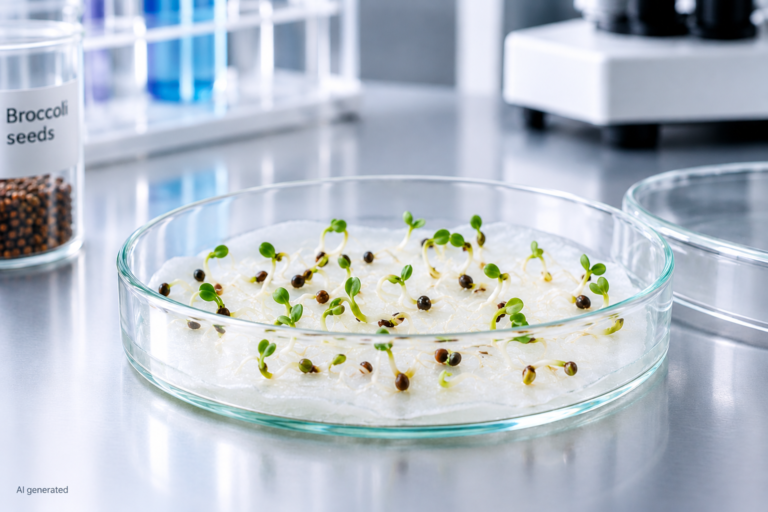
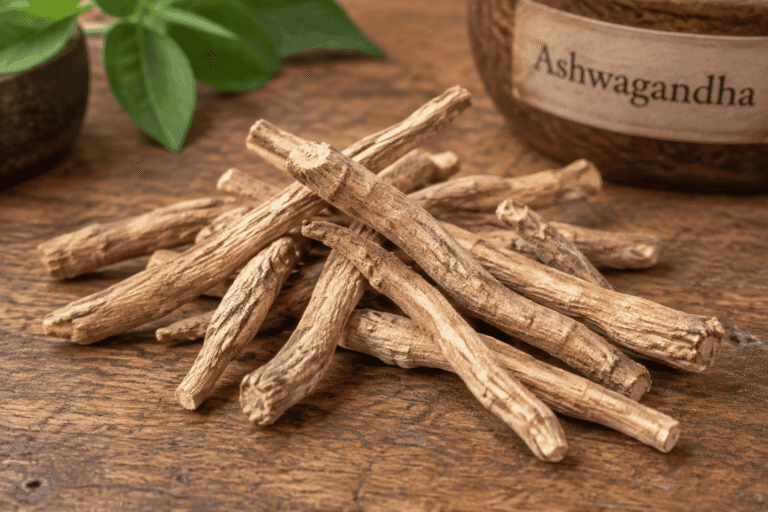
Including the whole rainbow from broccoli to rose hips for male infertility can make it harder for suppliers on the market to stay reliable. Because only a few ingredients used in popular fertility supplements have positive evidence3 (Table 1).
Being able to find a new “Holy Grail Ingredient” requires often a lot of research, a lot of time, a lot of money,
a lot of certainty, and a lot of rationalism. And pinpointing carob could be a new guest on the red carpet. In your portfolio and listing. So, take a look.
| TABLE 1 Evidence for each ingredient on sperm parameters and/or live birth rates | ||
| Ingredient | Impact on fertility | Level of evidence |
| Ashwagandha extract | Reduction in oxidative stress and increase in sperm quality | A |
| CoQ10 | Improvement in sperm density, motility, and morphology | A |
| Folic acid | Improvement in protamine content, sperm number, and integrity of sperm | A |
| L-arginine | Improvement in sperm motility | B |
| L-carnitine | Improvement in sperm velocity, sperm count, sperm concentration, and total motility | A |
| L-glutathione | Improvement in sperm motility | B |
| Lycopene | Improvement in sperm concentration | B |
| Maca | Improvement in sperm concentration and motility | B |
| Magnesium | No improvement in sperm variables nor pregnancy rates | C |
| N-acetyl cysteine | Improvement in sperm concentration, motility, and morphology | A |
| Panax/Asian/Korean ginseng powder | Improvement in sperm concentration, motility, morphology, and viability | A |
| Pine bark | Improvement in sperm concentration, volume, motility, vitality, and morphology | B |
| Selenium | Improvement in sperm motility and decrease in sperm motility | C |
| Shuddha shilajit | Improvement in sperm count and decrease in semen MDA content | B |
| Sunflower oil | No improvements in sperm parameters | C |
| Vitamin B12 | No improvement in sperm count and motility | C |
| Vitamin C | Improvement in sperm motility, morphology, and concentration | A |
| Vitamin D3 | No improvement in semen quality | C |
| Vitamin E | Improvement in sperm motility, concentration viability, morphology, and reduction in malondialdehyde (MDA) levels | A |
| Zinc | Improvement of sperm motility, sperm count, fertilizing capacity, and reduction in incidence of anti-sperm antibodies. Less oxidative stress, sperm apoptosis, and sperm DNA fragmentation index | A |
According to Kuchakulla et al. All other ingredients are designated Evidence Level D.
Evidence-based conclusions on the effectiveness of carob (Ceratonia siliqua) for sperm quality
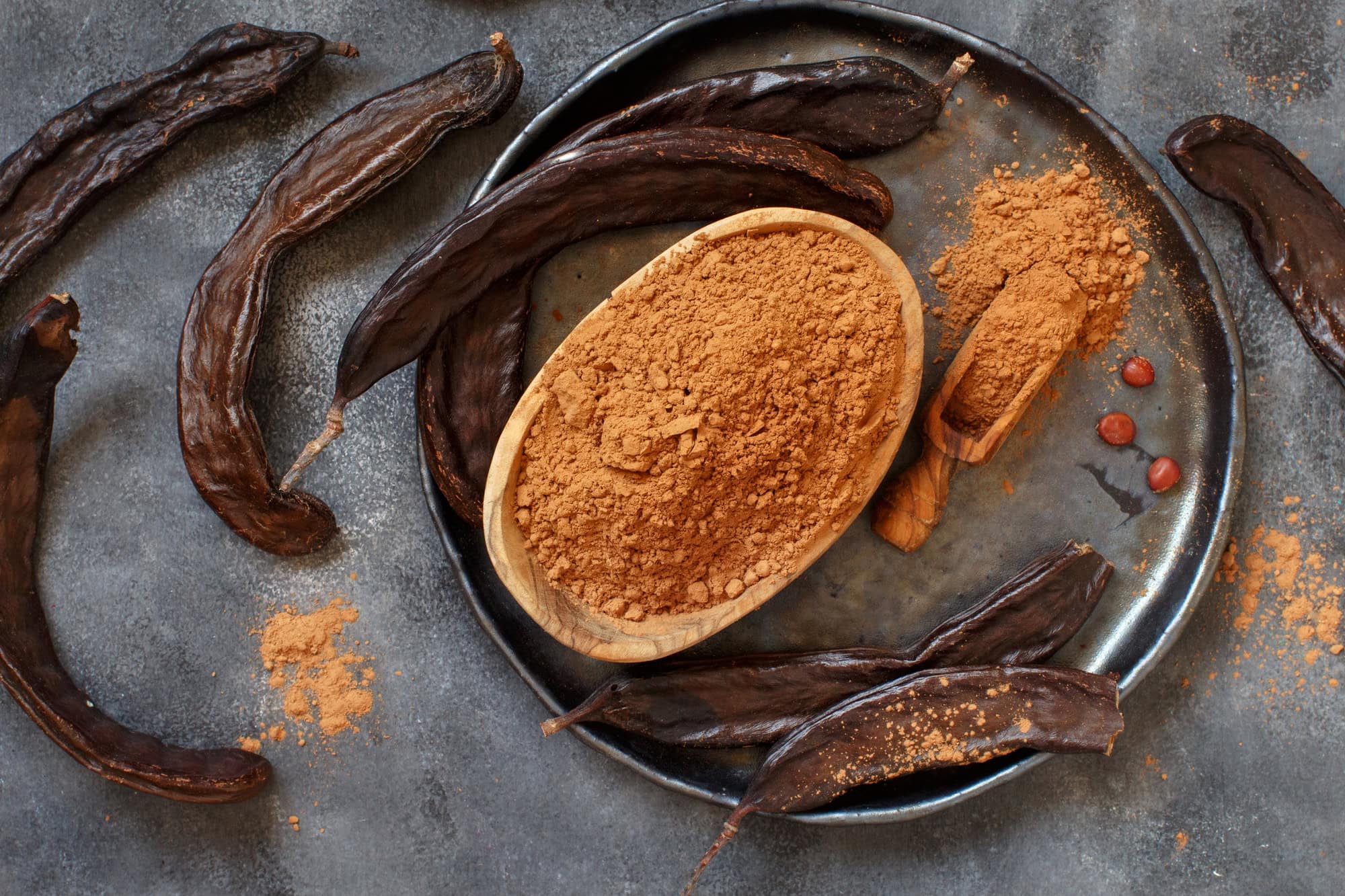
Found in Italy, Iran, and Turkey the carob tree (Ceratonia siliqua) is highlighted for its beneficial effects on the intestinal microbiome and glucose metabolism and has demonstrated anti-diabetic and anti-inflammatory properties5. Especially the phenolic profile from carob pulps, powders, and syrups has been associated with anti-cancer and neuroprotective benefits6.
His potential as a functional food and therapeutic dietary supplement to enhance human health7 (Figure 1) raises attention to its antioxidant properties to help reduce oxidative stress and minimize cellular damage.
FIGURE 1 Health benefits of carob (Ceratonia siliqua)
According to Ikram et al.
Packed with polyphenols, and a wide range of macro (K, Ca, Mg, P) and trace minerals (Mn, Fe, Zn, Cu) and vitamins8, carob as a medical plant is traditionally used to improve semen quality. Affordable and accessible with minimal side effects, infertile men could benefit from combating oxidative stress, as studies show that they have lower antioxidant capacity than fertile men9.
To demonstrate the impact of carob supplements on sperm quality and parameters in infertile men, Yildiz et al.10 conducted a systematic review and meta-analysis. Articles were searched up to November 2023 with relevant terms and MeSH-based keywords in PubMed (MEDLINE), Cochrane, Google Scholar, Scopus, and Web of Science.
To be included participants had to be aged 20–45 years, with a history of infertility complaints for at least 12 months, and no record of surgical or medical treatments for infertility, having a BMI less than 30, exhibiting oligo-spermatozoa according to WHO criteria (sperm concentration less than 15 million per ml, type A motility less than 25%, and type B mobility less than 50%, normal morphology less than 15%).
From the initial 114 studies, four studies with a total of 236 infertile men evaluated the effect of carob supplementation in infertile men on sperm characteristics (primary outcomes: sperm motility, sperm count, sperm volume) and reproductive hormone parameters (secondary outcomes: Malondialdehyde, Luteinizing, Follicle Stimulating Hormone, Testosterone).
The participants in the intervention group received carob (Ceratonia siliqua) supplements at a specified dose,
along with a standard diet, for the duration of the treatment period as detailed below:
- Caro capsules 400 mg were delivered twice a daily for 12 weeks with Pentoxifylline capsules 400 mg twice a daily for 12 weeks
- Carob once 1.5 g daily for 12 weeks
- Carob capsules 500 mg three times a day for 90 days
- Carob syrup (100 g Carob in 500 ml water, after filtration mixed with 500 ml USP syrup)
7,5 ml twice a day for 3 months.
The participants in the direct comparison group were infertile men without carob interventions and received:
- 30-min acupuncture sessions for 12 weeks (the first month, two sessions per week; the next 2 months,
one session per week, and 16 sessions)
- Placebo with lactose for 12 weeks
- Vitamin E capsules three times a day for 90 days.
After 12 weeks of carob supplementation, the following outcomes were observed:
Semen motility
- The meta-analysis revealed that all included studies assessed the impact of carob on semen motility.
The intervention led to a significant improvement in semen motility,
with results showing a positive effect in the intervention groups.
Semen volume
- The meta-analysis revealed that only two studies reported on the impact of carob on semen volume.
While the combined data indicated a positive effect, the overall effect size was small and not statistically significant. Despite the variability in effect sizes, each individual study demonstrated a positive association between carob consumption and increased semen volume.
Semen count
- The meta-analysis revealed that three included studies reported results on the effect of carob on semen count.
In these studies, the association with the effect size of carob on semen quantity was positive and statistically significant.
Hormonal parameters
- Meta-analyses revealed significant differences in hormone only for malondialdehyde, where the value decreased in the intervention group compared to the control group. The pooled effect sizes of Luteinizing, Follicle-Stimulating Hormone, Testosterone, and total hormone parameter domains were all small.
Conclusion
As seen in the studies the available evidence to date reveals, that the rich bioactive profile of carob as a natural source of antioxidants positively affects semen count, volume, and motility after 12 weeks of supplementation with a dose between 800-1500 mg daily. Although evidence is limited, carob extract has also been associated with enhanced semen quality and increased testosterone levels. Nevertheless, it is imperative to verify these results on the effects of carob and the amount of effective use. Taking into account, placebo-controlled studies with larger sample sizes and including not only individuals’ weight status, but adequate sleep, and activity levels as more robust and effective responses than any nutraceutical in managing sperm parameters9. Especially in contrast or addition to L-carnitine, Vitamin E, Vitamin C, CoQ10, and Zinc as few ingredients in popular men’s fertility supplements with already positive evidence3.
According to EFSA and health claims regulation, only the relevant statement “selenium contributes to normal spermatogenesis”11 is permitted on supplements in the EU, based on scientific evidence regarding its physiological function in male fertility.
Since dietary supplements do not have reliable or strict regulations on their efficacy and safety by the FDA12,
they should be used with caution. And formulated by manufacturers with scientific evidence of effective ingredients
and safety as a health tool4. Before personalized and prescripted by physicians and/or registered dietitians9.
References:
1. Greenberg DR, Nam CS, Halpern JA. The increasing demand for reproductive urologists and male fertility care. F S Rep. 2024;5(2):125-126. doi:10.1016/j.xfre.2024.05.001.
3. Kuchakulla M, Soni Y, Patel P, Parekh N, Ramasamy R. A Systematic Review and Evidence-based Analysis of Ingredients in Popular Male Fertility Supplements. Urology. 2020;136:133-141. doi:10.1016/j.urology.2019.11.007.
4. Djaoudene O, Romano A, Bradai YD, et al. A Global Overview of Dietary Supplements: Regulation, Market Trends, Usage during the COVID-19 Pandemic, and Health Effects. Nutrients. 2023;15(15). doi:10.3390/nu15153320.
5. Micheletti C, Medori MC, Bonetti G, et al. Effects of Carob Extract on the Intestinal Microbiome and Glucose Metabolism: A Systematic Review and Meta-Analysis. Clin Ter. 2023;174(Suppl 2(6)):169-172. doi:10.7417/CT.2023.2484.
6. Ioannou GD, Savva IK, Christou A, Stavrou IJ, Kapnissi-Christodoulou CP. Phenolic Profile, Antioxidant Activity, and Chemometric Classification of Carob Pulp and Products. Molecules. 2023;28(5). doi:10.3390/molecules28052269.
7. Ikram A, Khalid W, Wajeeha Zafar K-U, et al. Nutritional, biochemical, and clinical applications of carob: A review. Food Sci Nutr. 2023;11(7):3641-3654. doi:10.1002/fsn3.3367.
8. Laaraj S, Hussain A, Mouhaddach A, et al. Nutritional Benefits and Antihyperglycemic Potential of Carob Fruit (Ceratonia siliqua L.) – An Overview. Ecol Eng Environ Technol. 2024;25(3):124-132. doi:10.12912/27197050/178456.
9. Santos HO, Cadegiani FA, Forbes SC. Nonpharmacological Interventions for the Management of Testosterone and Sperm Parameters: A Scoping Review. Clinical Therapeutics. 2022;44(8):1129-1149. doi:10.1016/j.clinthera.2022.06.006.
10. Karaahmet AY, Gençtürk N, Kınık E. The Effect of Carob (Ceratonia Siliqua) on Sperm Parameters of Infertile Men: Systematic Review and Meta-Analysis of Randomized Controlled Trials. Reprod Sci. 2024;31(8):2481-2492. doi:10.1007/s43032-024-01534-7.
11. Scientific Opinion on the substantiation of health claims related to selenium and maintenance of normal hair (ID 281), maintenance of normal nails (ID 281), protection against heavy metals (ID 383), maintenance of normal joints (ID 409), maintenance of no. EFSA Journal. 2010;8(10):1727. doi:10.2903/j.efsa.2010.1727. 12. Facts about Dietary Supplements.FDA. Fri, August 9, 2024. https://www.fda.gov/news-events/rumor-control/facts-about-dietary-supplements. Accessed September 23, 2024.