Currently, vitamin A is not regulated in the annexes of the Cosmetics Regulation (EC) No. 1223/2009. The use of vitamin A forms in cosmetics production is not yet subject to legal bans or restrictions, but changes in legal regulations are expected soon, likely within the next few months. The European Commission plans to officially announce an amendment to the Regulation in the last quarter of 2023.
On June 8, 2023, the European Commission notified the WTO (World Trade Organization) about the draft amendment of Regulation (EC) No. 1223/2009 of the European Parliament and the Council on cosmetics, regarding the use of vitamin A compounds, arbutin, alpha-arbutin, triclosan, triclocarban, kojic acid, daidzein, genistein, and 4-methylbenzylidene camphor.
Based on the latest opinion of the Scientific Committee on Consumer Safety (SCCS), the European Commission has prepared a draft regulation that amends Annexes II, III, V, and VI.
In Annex III of the Regulation (EC) No. 1223/2009, which lists substances that cosmetic products may not contain except under the specified conditions (allowed only within listed limits), restrictions on the use of vitamin A compounds will be introduced.
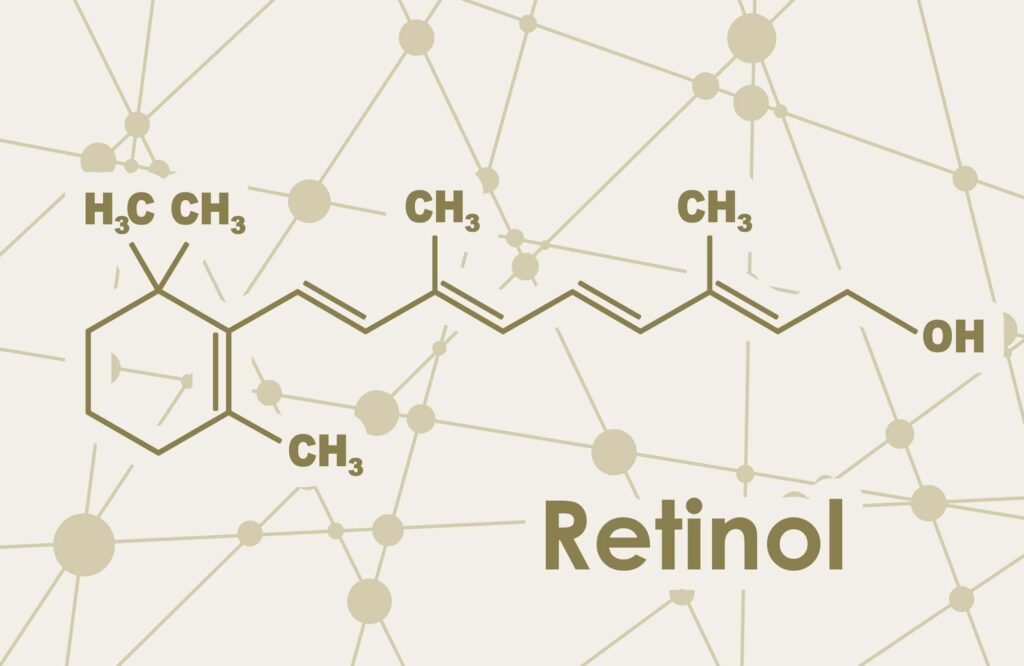
SCCS has established maximum limits for the safe use of vitamin A in cosmetic products. The European Commission has translated these into the new draft regulation. The restrictions apply to the following forms of vitamin A: retinol, retinyl acetate, and retinyl palmitate. These substances will be allowed for use up to a maximum concentration of 0.05% Retinol Equivalent (RE) in body lotions and up to 0.3% RE in other products that remain on the skin for an extended period (except for body lotions), as well as in rinse-off products.
The labeling of these products will also have to include a note stating: “Contains Vitamin A-related compounds, which contribute to your daily intake of Vitamin A.”
The draft sets deadlines for the implementation of the new legal provisions, allowing the cosmetics industry time to adapt. Newly introduced products will have an 18-month deadline, while existing products on the market will have 36 months to comply, starting from the date the new legal provisions come into force.
If you are a cosmetics manufacturer, review the formulations of your products and take necessary actions to ensure compliance with the new legal provisions on time.
Chronology and reasons
Vitamin A is a fat-soluble vitamin and an essential micronutrient for most mammalian species. Vitamin A and its derivatives are present in various foods (fish, eggs, dairy products, etc.) and supplements, but humans are also exposed to vitamin A from other sources, including cosmetics. According to the opinion of the European Food Safety Authority (EFSA), the upper limit for vitamin A intake in the body is 3000 µg RE/day for all age groups.
Retinol, retinyl acetate, and retinyl palmitate are active cosmetic ingredients that induce collagen biosynthesis in the skin while simultaneously inhibiting UV-induced collagen degradation enzymes. A cosmetic product containing these ingredients is expected to contribute to improving the appearance of the skin affected by natural aging and photoaging processes.
Responding to a request from the EU member states to assess the safety of vitamin A, SCCS published its opinion in October 2016 (SCCS/1576/16) and concluded that vitamin A is safe when used as a cosmetic ingredient in:
- Body lotions at concentrations up to 0.05% Retinol Equivalent (RE),
- Hand or face creams and other products that remain on the skin for an extended period (except for body lotions), as well as rinse-off products, up to a concentration of 0.3% RE.
In 2020, SCCS received additional information regarding exposure to vitamin A and the contribution of cosmetics to total vitamin A exposure. In light of the received information, SCCS conducted another safety assessment and formed a revised opinion, published in October 2022.
In the revised opinion, SCCS reiterated its 2016 conclusion. Additionally, SCCS warned that exposure to vitamin A from food and supplements in the most exposed consumers (5% of the total population) might exceed the upper limit, to which cosmetics also contribute. The contribution of vitamin A from cosmetics is smaller, but it increases the overall exposure of consumers.
Brune Bušića 21
Zagreb, Croatia
+ 385 98 1750 934