1. Define product goals
Objective: Determine if the product targets cellulite reduction, skin elasticity, hydration, or overall skin health.
Target audience: Identify key demographics such as women experiencing cellulite due to hormonal changes, aging individuals, or fitness-conscious consumers.
2. Select ingredients
Focus on scientifically-backed ingredients that address cellulite and skin firmness from within.
Collagen and protein-based ingredients
Hydrolyzed collagen peptides: Supports skin elasticity and dermal thickness.
Example: Verisol® by Gelita, clinically shown to improve skin elasticity and reduce wrinkles.
Elastin peptides: Enhances skin resilience and elasticity.
Example: Peptan® Elastin for structural skin benefits.
Vascular and circulation-enhancing agents
Horse chestnut extract (Aescin): Improves blood flow and reduces fluid retention.
Grape seed extract (proanthocyanidins): Enhances microcirculation and supports skin firmness.
Example: Vintera™ from Elementia.
Anti-inflammatory and antioxidant compounds
Vitamin C: Essential for collagen synthesis and skin firmness.
Astaxanthin: Protects against oxidative stress and supports skin elasticity.
Example: AstaReal®, backed by clinical studies.
Curcumin (tetrahydrocurcuminoids): Reduces inflammation and improves skin tone.
Example: Curcumin C3 Reduct® by Sabinsa.
Lipolytic and fat metabolism enhancers
Caffeine: Stimulates lipolysis and reduces localized fat deposits.
Example: Ingredient Pharm microencapsulated caffeine form for sustained release.
Conjugated linoleic acid (CLA): Aids in fat metabolism and body composition improvement.
Example: DurOmega® CLA from InnoBio.
L-Carnitine: Supports fatty acid oxidation, potentially reducing adipocyte accumulation.
Hormonal and cortisol modulating ingredients
Ashwagandha (Withania somnifera): Helps regulate cortisol, which may influence fat storage.
Example: Shaganda® by Sabinsa, a high-potency extract that complies with US Monograph.
Rhodiola rosea: Supports stress resilience and hormonal balance.
Saffron extract: Affects serotonin levels and mood, indirectly impacting fat accumulation.
Example: Affron® by Pharmactive, backed up with clinical studies.
3. Establish effective dosages
Dosages should align with scientific research:
Collagen peptides: 2.5-10 g/day.
Grape seed extract: 150-300 mg/day.
Caffeine: 100-200 mg/day (consider sustained-release forms).
CLA: 3-6 g/day.
Ashwagandha: root extract 300-600 mg/day.
Saffron extract: stigma extract 30 mg/day.
4. Choose a Delivery Form
Selecting the appropriate format enhances compliance and efficacy:
Capsules/tablets: Precise dosing and ease of use.
Powders: Ideal for collagen-based formulations and multi-ingredient blends.
Beverages: Functional drinks targeting hydration and cellulite reduction.
Functional gummies: Increasingly popular for beauty-from-within applications.
5. Incorporate synergistic blends
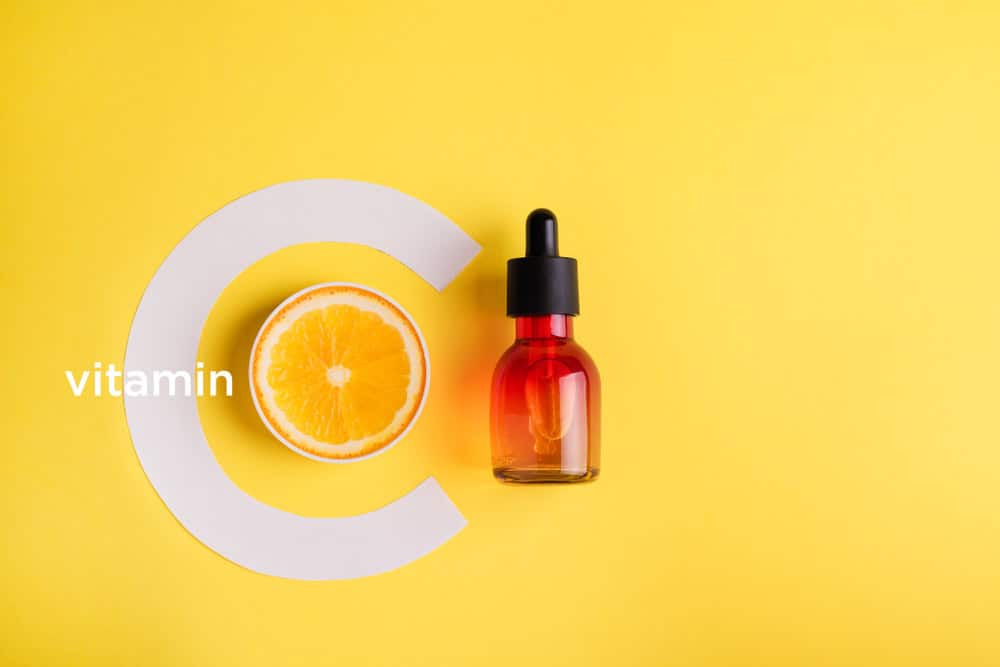
Combine collagen peptides with vitamin C to enhance collagen synthesis.
Pair caffeine with L-carnitine for improved lipolysis.
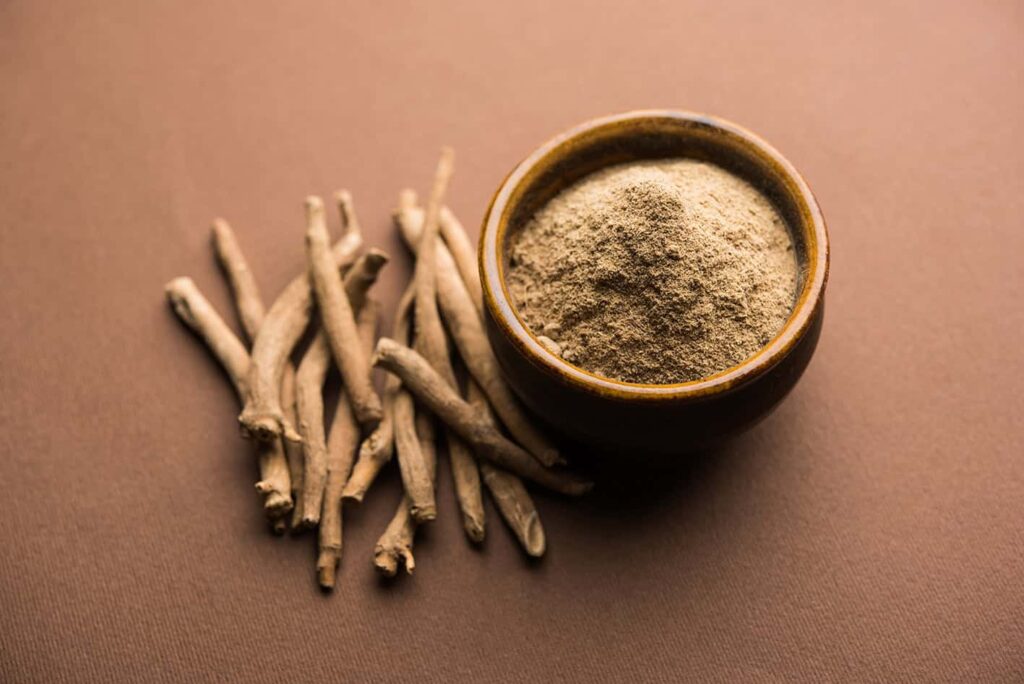
Use rhodiola and ashwagandha together for stress modulation and hormonal balance.
Integrate grape seed extract with horse chestnut for enhanced circulation benefits.
6. Conduct Stability and Compatibility Testing
Ensure ingredient stability and efficacy:
Check for oxidation in polyphenol-rich formulations.
Validate sustained-release caffeine for long-lasting effects.
Assess the impact of environmental factors on collagen peptide stability.
7. Regulatory compliance
Labeling: Follow region-specific regulations (FDA in the U.S., EFSA in Europe).
GRAS status: Ensure ingredients are Generally Recognized as Safe.
In some European countries on-hold botanical claims can be used, check the legislation on a country’s level.
EFSA-approved claims:
Vitamin C contributes to normal collagen formation.
Zinc contributes to the maintenance of normal skin.
Magnesium contributes to normal energy-yielding metabolism and protein synthesis.
8. Conduct efficacy studies
Clinical trials or pilot studies can substantiate claims for cellulite reduction and skin firmness.
Consumer trials can provide real-world feedback on product effectiveness.
9. Market positioning
Claims: “Supports Skin Firmness,” “Reduces Cellulite Appearance,” “Enhances Collagen Production.”
Target messaging: Address concerns of beauty-conscious consumers, aging individuals, and wellness enthusiasts.
B2B communication: Provide scientific substantiation for formulators and brand owners.
10. Continuous improvement
Stay updated on new research regarding skin health and cellulite mechanisms.
Monitor customer feedback for potential reformulations.
Explore emerging bioactive ingredients for enhanced efficacy.
Conclusion
By adhering to this structured formulation approach, companies can develop safe, effective, and marketable products, targeting cellulite reduction and skin firmness from the inside out.