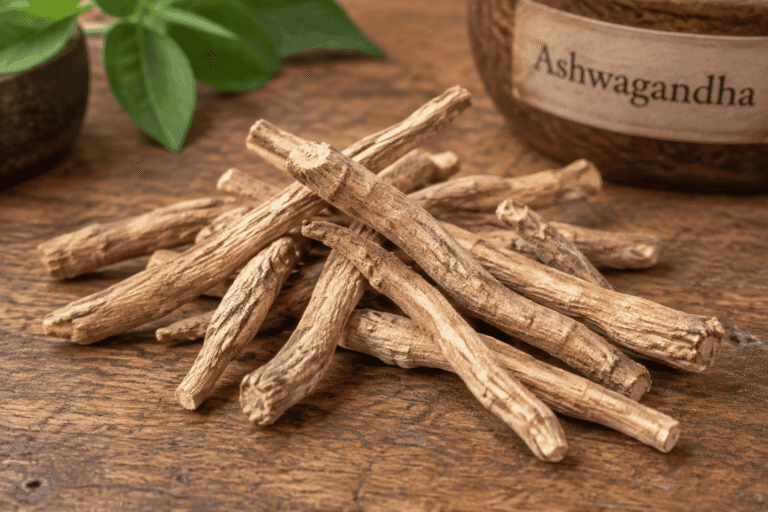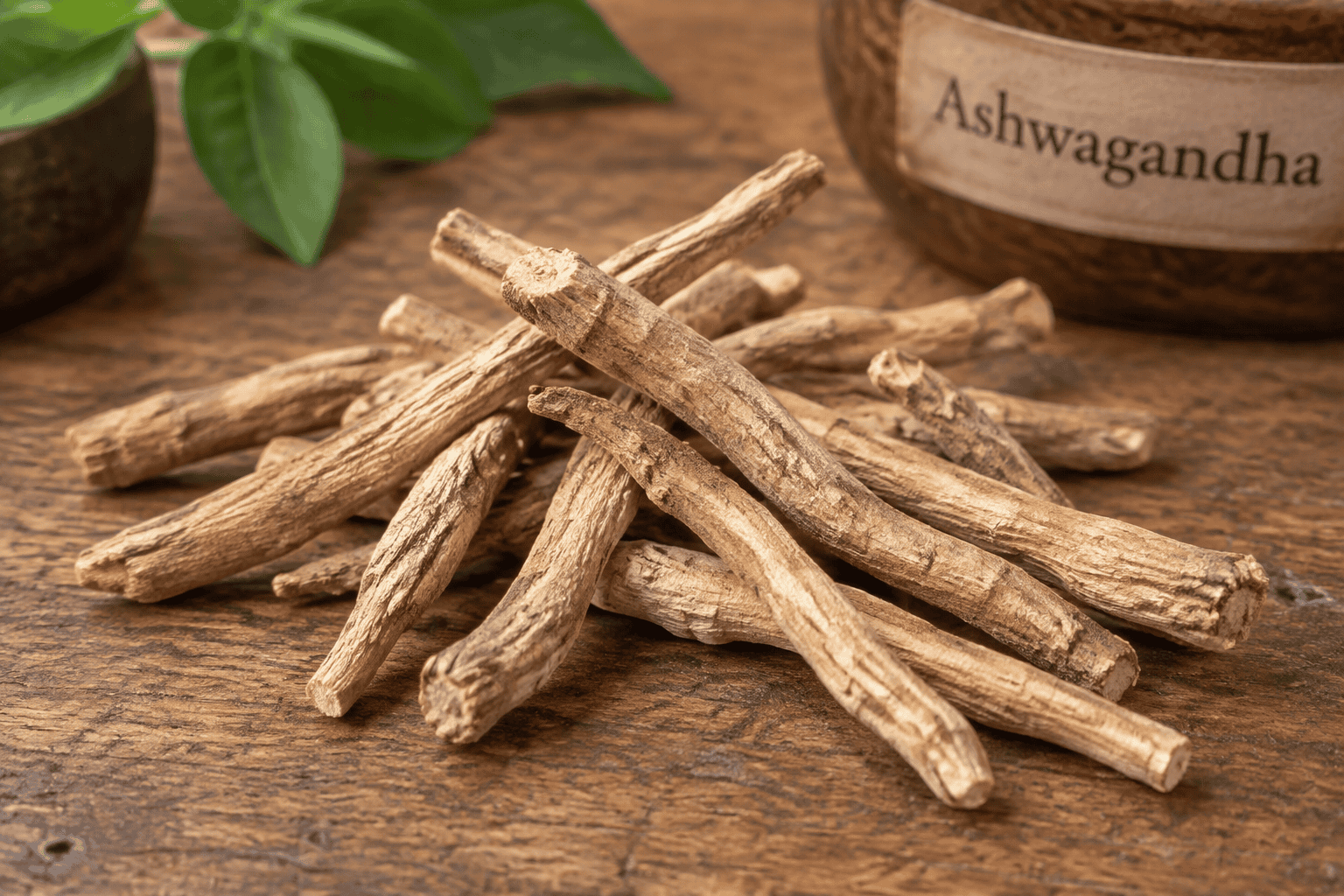
The Ashwagandha Standards Alliance (ASA) today announced six new members, while regulatory developments in India and Europe, new research, and increased product testing bring renewed attention to quality for one of the world’s most widely used botanicals.
New members include:
Alkemist Labs
Botanic Healthcare
Flora Research Laboratories
Natural Foundation Supplements
Nootropics Depot
Unicorn Natural Products
They join founding ASA members Sabinsa, Cepham, Arjuna Natural USA, Kerry, Botanical Liaisons and NaturPro Scientific, expanding representation among botanical manufacturers, laboratories, brands and consumer-facing quality advocates.
“Ashwagandha doesn’t have a science problem. It has a consistency problem,” said Blake Ebersole, co-founder of the Ashwagandha Standards Alliance. “Our new members are committed to guiding the industry on strong analytical and labeling standards for ashwagandha, as we work to build out technical standards that will guide the industry forward.”
Regulatory picture evolves
In April, India’s Food Safety and Standards Authority of India (FSSAI) directed food businesses in India not to use ashwagandha leaf, while the Ministry of AYUSH issued a related directive favoring roots and root extracts in AYUSH products.
Several companies challenged the actions, and the Karnataka High Court subsequently granted interim relief to petitioning firms, with support from ASA.
Market data also raise questions about the practical effect of the restrictions. Recent analysis of the Neemuch agricultural market found that leaf continued to trade following the action, while average root prices in September 2026 remained below September 2025 levels, providing little evidence so far that restricting leaf strengthened the market for root.
“The India experience shows the limits of trying to solve complex quality problems with a half-measure against a plant part,” Ebersole said. “Meanwhile, the fundamental issues remain, including product identity, accurate labeling and whether analytical claims are being verified.”
Some countries in Europe are taking a more nuanced approach. The Netherlands had considered a broad prohibition following a 2024 RIVM assessment, but the Dutch government subsequently indicated that the proposed ban would likely be removed while RIVM conducts a new assessment of ashwagandha root using additional evidence.
Initiative moves from debate to global standards
As part of its long-term strategy, ASA is advancing a draft technical standards framework specific to ashwagandha.
While compendial and in-house validated methods exist for ashwagandha products, some suppliers continue to rely on methods that are not reproducible or fit-for-purpose, overstating product strength. The issue is particularly important for products marketed using a percentage of “total withanolides.”
“When someone reports a withanolide percentage, buyers should be able to ask: Which withanolides, and by what method?” Ebersole said. “A number on a certificate of analysis isn’t valid without knowing what’s behind it.”
This work comes on the heels of recent published research conducted at the University of Mississippi comparing 25 commercial ashwagandha products using British Pharmacopoeial and USP-based approaches, finding substantial chemical and analytical variation across the market.
“Testing should verify quality and composition, not manufacture the appearance of quality,” Trish Flaster, Executive Director of Botanical Liaisons, said.
Stronger standards protect responsible companies
ASA says stronger standards ultimately benefit companies already investing in research, qualified suppliers, validated methods, appropriate specifications and truthful labeling.
ASA will continue expanding participation among ingredient companies, brands, laboratories and researchers while completing its technical standards work and supporting science-based regulatory dialogue globally.
“Ashwagandha is the immediate case study, but these issues go far beyond one herb,” Flaster added. “Our responsibility is to understand these plants, test them properly, and leave the industry stronger than we found it.”
About the Ashwagandha Standards Alliance
The Ashwagandha Standards Alliance is a collaborative global initiative advancing science-based standards, accurate labeling and responsible communication for ashwagandha ingredients and finished products. Learn more or apply for membership: ashwagandhastandards.org/join-the-alliance/