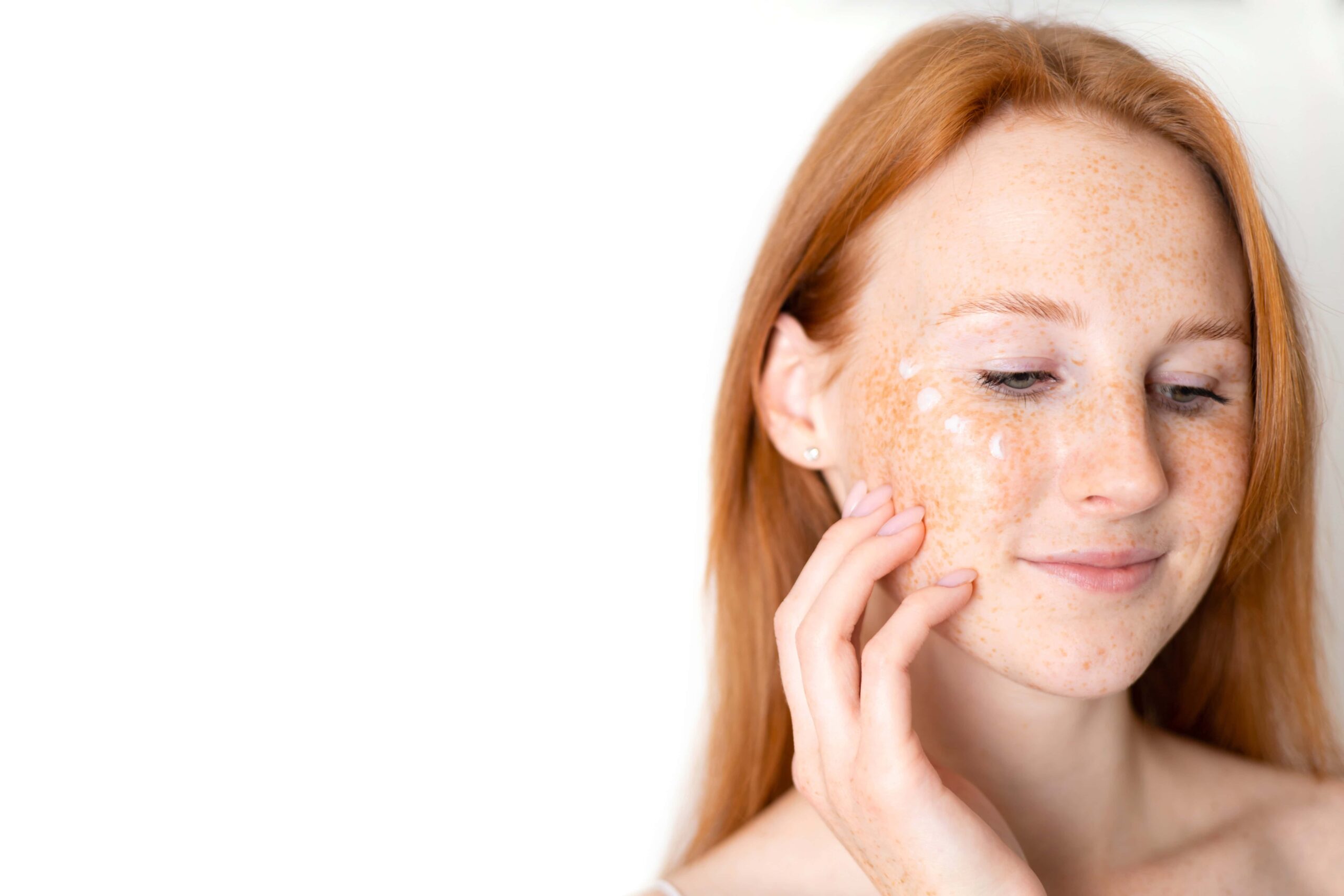
SGS, the world’s leading testing, inspection and certification company, will host a webinar, ‘Next-Generation Integrated Strategies for Skin Sensitization in Cosmetics and Personal Care Products’, on May 28, 2026.
As regulatory restrictions on animal testing continue to expand, alongside increasing expectations for safety and transparency, cosmetics and personal care product manufacturers are under growing pressure to adopt alternative approaches to toxicological risk assessment. Skin sensitization remains a critical endpoint in ensuring consumer safety and regulatory acceptance across global markets.
In this webinar, expert presenter Dr. Ashwani Sharma will provide an overview of the biological mechanisms underlying skin sensitization and explain how data from multiple non-animal sources can be integrated into robust, scientifically sound safety evaluations. He will look at next-generation integrated approaches, highlighting how in chemico, in vitro and in silico methods can be combined within integrated approaches to testing and assessment (IATA).
The session will examine key alternative testing methodologies and weight-of-evidence strategies, demonstrating how these approaches can support hazard identification and risk assessment for both cosmetic ingredients and finished products. Regulatory perspectives and case examples are also discussed, illustrating how integrated strategies align with current expectations in the US, EU and Asian markets.
By adopting next-generation integrated skin sensitization strategies, companies can improve decision-making, streamline product development and enhance regulatory readiness while supporting ethical, non-animal testing frameworks. SGS’s expertise in cosmetic safety assessment helps businesses navigate evolving regulatory landscapes while maintaining high standards of consumer protection and product quality.
Toxicologists, cosmetics and personal care manufacturers, quality control managers and regulatory specialists are invited to register now and gain practical insights into the next generation of skin sensitization safety assessment for global markets.