Introduction: acne as a modern disease
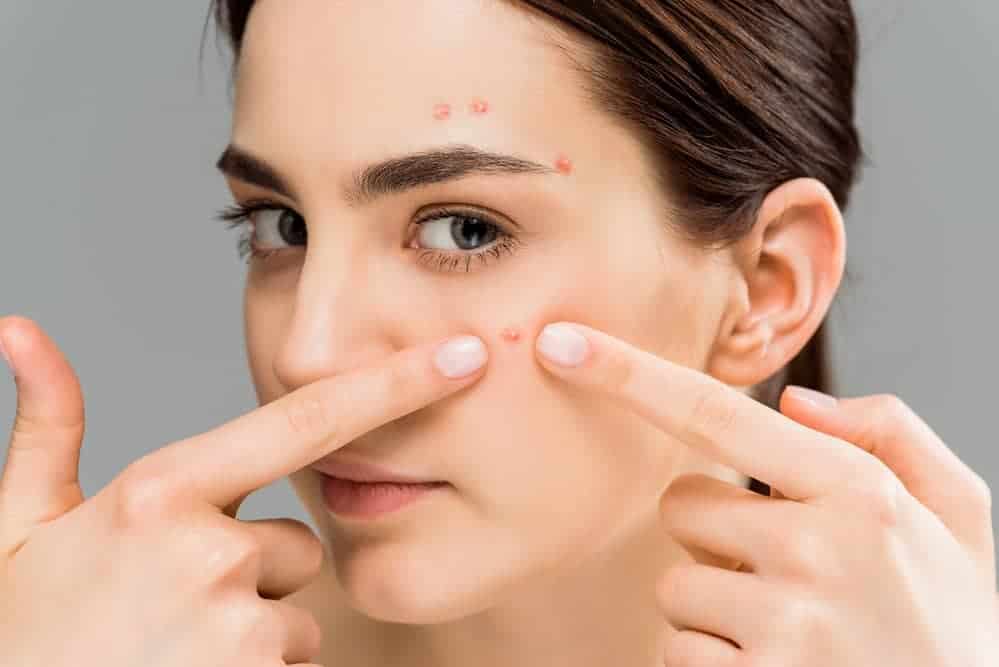
Acne vulgaris affects up to 90% of adolescents in developed countries, making it one of the most prevalent dermatological conditions worldwide1-2. Its high occurrence is not limited to youth, as a substantial proportion of adults also experience this skin condition, underscoring its persistence beyond adolescence2-3. Acne is considered a civilization disease: while extremely widespread in urban environments of the Western world, it is very rare in undeveloped societies living as hunter-gatherers without contact with the modern world3-4.
Acne vulgaris is a chronic inflammatory disorder of the pilosebaceous unit, characterized by increased sebum production leading to non-inflammatory comedones and inflammatory lesions such as papules, pustules, or nodules5-6. The etiology is associated with alterations in sebum production under androgen control, altered keratinization processes, and increased release of inflammatory mediators5,7-8. When obstruction of the pilosebaceous unit occurs, anaerobic and lipid-rich conditions develop that provide an optimal microenvironment for the growth of Cutibacterium acnes. This obstruction and increasing C. acnes proliferation are central factors in the onset of inflammatory acne lesions. Adolescents with acne have significantly higher C. acnes counts compared to healthy controls, which correlates with acne flares driven by high levels of hormones and sebum production5. Specific host factors, such as sebum production, hormone levels, the inflammatory milieu, and physical changes in the pilosebaceous unit, contribute to acne pathogenesis, indicating that certain C. acnes strains can become pathogenic under different conditions or specific environmental stimuli5,9-10.
Hormonal influences: beyond sex hormones
Recently, there has been increasing discussion about the importance of insulin as a significant hormone in the pathogenesis of acne11-12. Although insulin’s primary role is to regulate blood glucose concentration and its storage in the body’s cells, insulin has much broader effects on the skin11. Insulin stimulates the activity of sex hormones, particularly androgens, which directly leads to increased sebum secretion11,13. Furthermore, elevated insulin levels promote keratinocyte proliferation and abnormal keratinization, contributing to acne formation11,13. Additionally, insulin promotes inflammatory responses in the skin, contributing to the development and aggravation of acne11-12. Therefore, it is not surprising that elevated insulin levels and insulin resistance are significantly more common in patients with acne compared to healthy individuals11-13.
Discovering the gut-skin axis

While traditionally viewed as a local skin problem involving excess sebum production, follicular hyperkeratinization, and bacterial colonization, emerging research reveals acne as a systemic condition influenced by the gut-skin axis, a bidirectional communication network between intestinal microbiota and skin health14-17. The skin–gut health concept underscores the connection between intestinal dysbiosis and impaired skin homeostasis, providing a framework for understanding why many skin disorders are linked with intestinal comorbidities and highlighting the crucial role of gut microbiota in driving the pathogenesis of diverse inflammatory skin diseases17.
The human body maintains constant contact with its external environment primarily through two major interfaces: the skin and the gastrointestinal tract18. The gastrointestinal tract represents one of the largest interfaces between the host and its environment, colonized by large numbers of microbes that significantly impact host health. Similarly, the skin epidermis, along with appendage structures such as sweat and sebaceous glands, provides approximately 25 m² of epithelial surface for microbial interaction. Both organs function as critical barriers for immune function19-20.
These barrier surfaces harbor distinct yet interconnected microbial ecosystems, collectively termed the microbiome, which exists as two bidirectionally related systems: the gut microbiome and the skin microbiome18-20.
Despite different embryonic origins, skin arising from ectoderm and gut forming from interactions between endoderm and mesoderm, these organs share fundamental structural and functional similarities. Both are lined by epithelial cells that serve as protective barriers, supported by underlying stromal and immune cells 18. Furthermore, both surfaces are extensively vascularized and innervated, facilitating rapid communication with immune and central nervous systems18,20.
The microbiomes at these sites play crucial roles in maintaining host health by shaping the immune system, protecting against pathogenic microorganisms, breaking down metabolites, and maintaining healthy barrier function20.
Modern lifestyle and microbiome disruption
The modern way of life is one of the key factors disrupting the balance of the gut microbiome. Diet, in particular, represents one of the primary determinants of its composition and function, and gut microbiome dysbiosis has been linked to disturbances in skin homeostasis21. A Western-style diet, marked by high intake of ultra-processed foods, saturated fats, and refined sugars, is considered a contributing factor to the worsening of acne17. A study published in 2018 further supported this concept by comparing the gut microbial composition and functional profiles of individuals with acne to those of healthy controls. The findings indicated reduced microbial diversity and a lower Firmicutes-to-Bacteroidetes ratio in patients with acne, a pattern consistent with a gut microbiota configuration commonly associated with a Western dietary enterotype. Within this context, the most significantly decreased microbes in acne patients were Clostridia, Clostridiales, Lachnospiraceae, and Ruminococcaceae, which are considered potentially beneficial, further highlighting specific gut microbiota alterations linked to the condition15. Another study identified associations between acne vulgaris and alterations in the gut microbiota. At the phylum level, Actinobacteria were reduced while Proteobacteria were elevated in patients with acne. At the genus level, several potentially beneficial microbes, including Bifidobacterium, Butyricicoccus, Coprobacillus, Lactobacillus, and Allobaculumm were found to be decreased22.
Gut microbiome dysbiosis as a foundational factor
There is a growing consensus that the “gut-skin axis” plays a central role in the development of acne, where an imbalance in intestinal flora (dysbiosis) acts as a primary driver of the condition23. This disruption triggers a cascade of systemic issues, including compromised skin barrier function, hormonal fluctuations, heightened inflammatory signaling, and metabolic shifts. Consequently, clinical interest has pivoted toward the use of probiotics, beneficial live microorganisms, as a therapeutic intervention to restore this internal equilibrium24.
Probiotics in acne therapy: four key mechanisms
Probiotic interventions are categorized into topical applications directly on skin lesions and systemic (oral) administration. While early American research in the 1960s suggested that oral probiotics could improve acne in the majority of patients, modern high-quality evidence has clarified four specific pathways through which they function25.
1. Counteracting antibiotic disruptions: Protecting the natural gut ecosystem from the collateral damage of long-term antibiotic use.
2. Pathogen suppression: Directly or indirectly lowering the levels of Cutibacterium acnes within the skin’s microenvironment.
3. Inflammation modulation: Shifting the body’s immune response from a pro-inflammatory state to a regulatory, anti-inflammatory state.
4. Metabolic and hormonal regulation: Improving insulin sensitivity and metabolic markers that influence sebum production.
Preserving the gut ecosystem during antibiotic use
Antibiotics remain a cornerstone of acne treatment, yet their non-selective nature often decimates beneficial gut bacteria, leading to secondary health issues26. Integrating probiotics into an antibiotic regimen has been shown to preserve intestinal integrity and enhance the overall efficacy of the acne treatment by mitigating systemic inflammation27.
Regulating the skin microbiome and immune response
Probiotics influence the skin’s health through “immunomodulation.” By interacting with the gut’s immune cells, probiotics can alter the systemic release of cytokines. This shift reduces the localized redness and swelling of acne by training the immune system to respond more efficiently to pathogens like C. acnes without overreacting28.
Addressing metabolic pathways and insulin resistance
Perhaps most critically, probiotics address the metabolic underpinnings of acne. Dysbiosis is frequently linked to insulin resistance, which stimulates the hormones responsible for excessive oil production. Research indicates that specific probiotic strains (notably from the Lactobacillus family) can improve insulin signaling and glycemic control, thereby treating a root metabolic cause of skin eruptions29.
Conclusion: a holistic shift in acne care
Contemporary science recognizes that the efficacy of probiotics is highly strain-specific. While variables such as dosage and duration are still being refined, the shift toward addressing the gut-skin axis marks a transition from symptom suppression to holistic healing. By stabilizing the internal environment, specifically the microbiome and metabolic health, clinicians can achieve more sustainable improvements in skin clarity17.
Article provided by:

References:
- Lee YB, Byun EJ, Kim HS. Potential Role of the Microbiome in Acne: A Comprehensive Review. J Clin Med. 2019;8(7):987. doi:10.3390/jcm8070987
- Guguluș DL, Vâță D, Popescu IA, Pătrașcu AI, Halip IA, Mocanu M, Solovăstru LG. The Epidemiology of Acne in the Current Era: Trends and Clinical Implications. Cosmetics. 2025;12(3):106. doi.org/10.3390/cosmetics12030106
- Alexis A, Tan J, Rocha M, Kerob D, Demessant A, Ly F, Wu Y, Sachdev M, Kurokawa I. Is Acne the Same Around the World? J Clin Aesthet Dermatol. 2024;17(9):16-22.
- Taha S, Shakhshir M, Zyoud S.H. The mediterranean diet and acne vulgaris: a systematic review and meta-analysis. Nutr Metab (Lond). 2025;22(132). doi.org/10.1186/s12986-025-01033-9
- Cavallo I, Sivori F, Truglio M, De Maio F, Lucantoni F, Cardinali G, Pontone M, Bernardi T et al. Skin dysbiosis and Cutibacterium acnes biofilm in inflammatory acne lesions of adolescents. Sci Rep. 2022;12(1):21104. doi:10.1038/s41598-022-25436-3.
- Moradi Tuchayi S, Makrantonaki E, Ganceviciene R, Dessinioti C, Feldman SR, Zouboulis CC. Acne vulgaris. Nat Rev Dis Primers. 2015;1:15029. doi:10.1038/nrdp.2015.29
- Bernales Salinas A. Acne vulgaris: role of the immune system. Int J Dermatol. 2021;60(9):1076-1081. doi: 10.1111/ijd.15415
- Cong TX, Hao D, Wen X, Li XH, He G, Jiang X. From pathogenesis of acne vulgaris to anti-acne agents. Arch Dermatol Res. 2019;311(5):337-349. doi:10.1007/s00403-019-01908-x.
- Achermann Y, Goldstein EJ, Coenye T, Shirtliff ME. Propionibacterium acnes: from commensal to opportunistic biofilm-associated implant pathogen. Clin Microbiol Rev. 2014;27(3):419-40. doi: 10.1128/CMR.00092-13.
- Williams HC, Dellavalle RP, Garner S. Acne vulgaris. Lancet. 2012;379(9813):361-72. doi: 10.1016/S0140-6736(11)60321-8.
- Tripathy K, Dulai AS, Min M, Sivamani RK. Insulin Resistance, Metabolic Syndrome, and Inflammatory Skin Disease. J Clin Med. 2026;15(1):330. doi:10.3390/jcm15010330.
- Okoro OE, Camera E, Flori E, Ottaviani M. Insulin and the sebaceous gland function. Front Physiol. 2023;14:1252972. doi: 10.3389/fphys.2023.1252972.
- Gruszczyńska M, Sadowska-Przytocka A, Szybiak W, Więckowska B, Lacka K. Insulin Resistance in Patients with Acne Vulgaris. Biomedicines. 2023;11(8):2294. doi: 10.3390/biomedicines11082294.
- Cordain L, Lindeberg S, Hurtado M, Hill K, Eaton SB, Brand-Miller J. Acne vulgaris: a disease of Western civilization. Arch Dermatol. 2002;138(12):1584-90. doi:10.1001/archderm.138.12.1584.
- Deng Y, Wang H, Zhou J, Mou Y, Wang G, Xiong X. Patients with Acne Vulgaris Have a Distinct Gut Microbiota in Comparison with Healthy Controls. Acta Derm Venereol. 2018;98(8):783-790. doi:10.2340/00015555-2968.
- Sinha S, Lin G, Ferenczi K. The skin microbiome and the gut-skin axis. Clin Dermatol. 2021;39(5):829-839. doi:10.1016/j.clindermatol.2021.08.021.
- Sánchez-Pellicer P, Navarro-Moratalla L, Núñez-Delegido E, Ruzafa-Costas B, Agüera-Santos J, Navarro-López V. Acne, Microbiome, and Probiotics: The Gut-Skin Axis. Microorganisms. 2022;10(7):1303. doi: 10.3390/microorganisms10071303.
- Jimenez-Sanchez M, Celiberto LS, Yang H, Sham HP, Vallance BA. The gut-skin axis: a bi-directional, microbiota-driven relationship with therapeutic potential. Gut Microbes. 2025;17(1):2473524. doi: 10.1080/19490976.2025.2473524.
- Chai J, Deng F, Li Y, Wei X and Zhao J. Editorial: The gut-skin axis: interaction of gut microbiome and skin diseases. Front. Microbiol. 2024;15:1427770. doi:10.3389/fmicb.2024.1427770
- De Pessemier B, Grine L, Debaere M, Maes A, Paetzold B, Callewaert C. Gut-Skin Axis: Current Knowledge of the Interrelationship between Microbial Dysbiosis and Skin Conditions. Microorganisms. 2021;9(2):353. doi:10.3390/microorganisms9020353.
- Borrego-Ruiz A, Borrego JJ. Nutritional and Microbial Strategies for Treating Acne, Alopecia, and Atopic Dermatitis. Nutrients. 2024;16(20):3559. doi:10.3390/nu16203559.
- Yan HM, Zhao HJ, Guo DY, Zhu PQ, Zhang CL, Jiang W. Gut microbiota alterations in moderate to severe acne vulgaris patients. J Dermatol. 2018;45(10):1166-1171. doi: 10.1111/1346-8138.14586.
- Salem I, Ramser A, Isham N, Ghannoum MA. The Gut Microbiome as a Major Regulator of the Gut-Skin Axis. Front Microbiol. 2018;9:1459. doi:10.3389/fmicb.2018.01459.
- Goodarzi A, Mozafarpoor S, Bodaghabadi M, Mohamadi M. The potential of probiotics for treating acne vulgaris: A review of literature on acne and microbiota. Dermatol Ther. 2020;33(3):e13279. doi:10.1111/dth.13279.
- Sivamaruthi B.S, Kesika P, Chaiyasut C. Probiotic based therapy for atopic dermatitis: Outcomes of clinical studies. Asian Pacific Journal of Tropical Biomedicine. 2018;8(6):328-332. doi:10.4103/2221-1691.235328
- Xu H, Li H. Acne, the Skin Microbiome, and Antibiotic Treatment. Am J Clin Dermatol. 2019;20(3):335-344. doi:10.1007/s40257-018-00417-3.
- Gowda V, Sarkar R, Verma D, Das A. Probiotics in Dermatology: An Evidence-based Approach. Indian Dermatol Online J. 2024;15(4):571-583. doi:10.4103/idoj.idoj_614_23.
- Krutmann J. Pre- and probiotics for human skin. Clin Plast Surg. 2012;39(1):59-64. doi:10.1016/j.cps.2011.09.009.
- Fabbrocini G, Bertona M, Picazo Ó, Pareja-Galeano H, Monfrecola G, Emanuele E. Supplementation with Lactobacillus rhamnosus SP1 normalises skin expression of genes implicated in insulin signalling and improves adult acne. Benef Microbes. 2016;7(5):625-630. doi:10.3920/BM2016.0089.