
Understanding Shared Mechanisms in Autoimmune Diseases

Recently, one of my clients in the health coaching session asked me to write about autoimmune diseases and the holistic therapy approach. Soon, I realized to be able to do it, I would need to find a connective line between all autoimmune diseases. This is what I realized while searching through the literature…
Measurable, Inclusive Results for Skin Health and Appearance
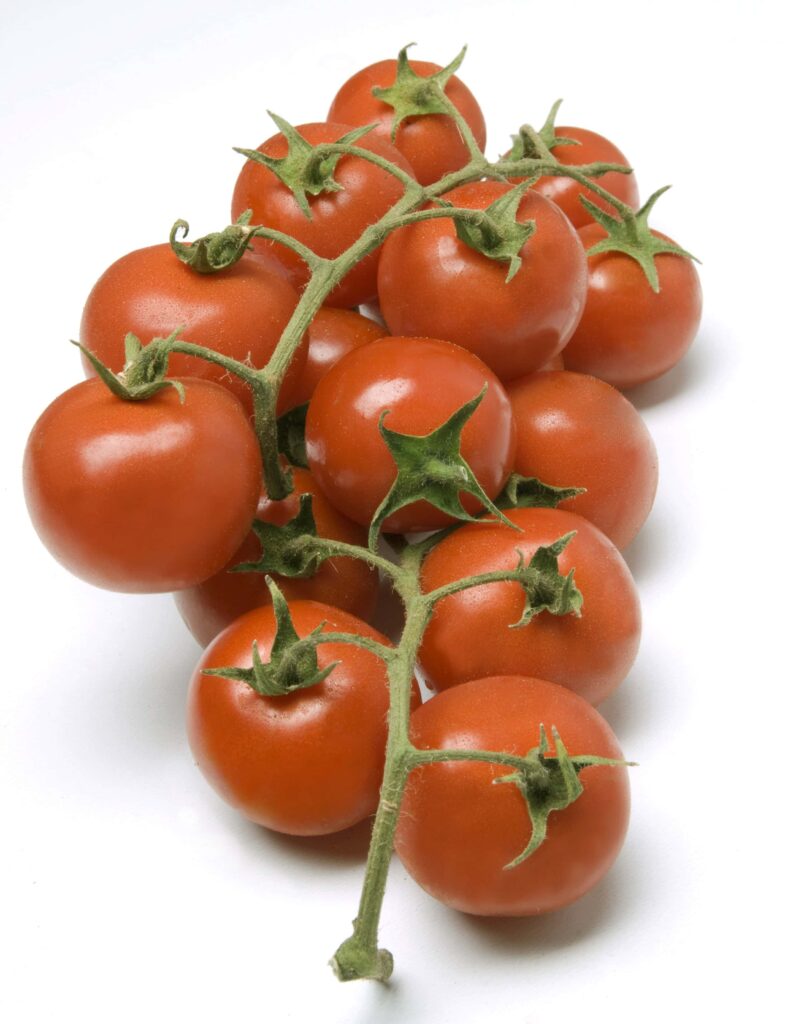
Lycomato® drove significant improvement across a variety of ages, ethnicities, and skin types, as evaluated by expert grading, instrumental measurement, and, most importantly, user perception.
Seborrheic Dermatitis in Adults: A Review of Natural Treatment Options

Seborrheic dermatitis is a common skin condition affecting oily areas like the scalp, face, and upper trunk. It causes scaly, itchy, and reddish patches and can be chronic or recurrent. Sufferers are constantly seeking ways to ease the symptoms, and natural treatments could be of help.
Spins to Wins – Smartcore Celebrates Success at the Eventex Awards 2024

July 2024 (Amsterdam, NL) – Smartcore, a leading global B2B (business-to-business) food and nutrition marketing solutions provider based in the Netherlands, triumphs at the Eventex Awards 2024.
Examining the Influence of Nutritional Supplements on Kidney Health and Disorders
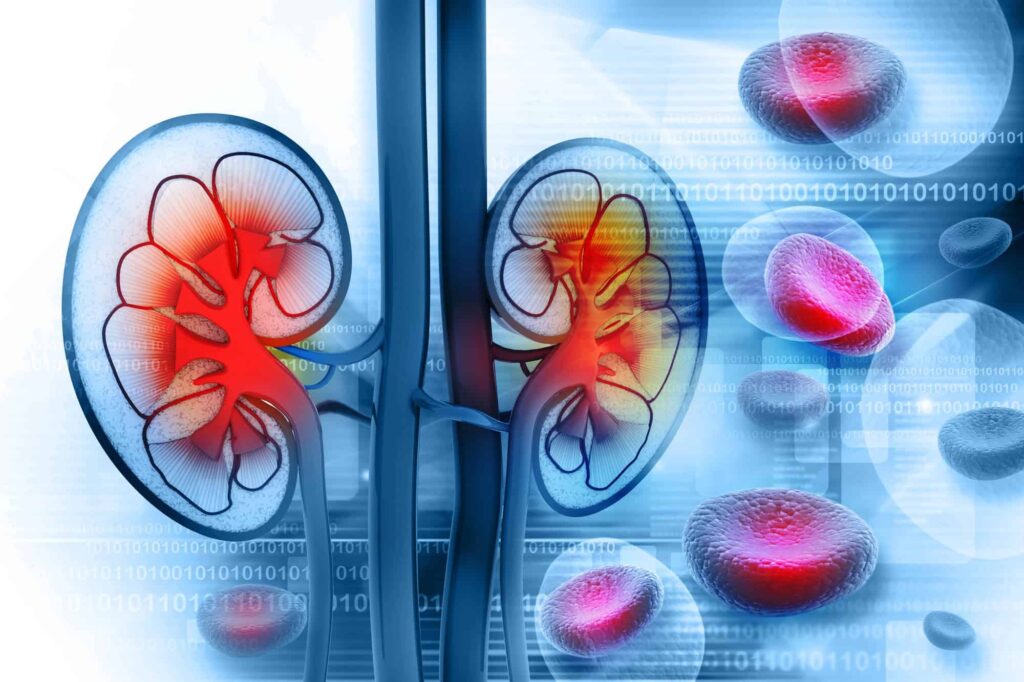
Nutraceuticals such as vitamin C, coenzyme Q10, resveratrol and others are being investigated for their potential benefits in slowing the progression of chronic kidney disease and improving overall renal function.
Medicinal Plant Red Clover

Red clover Trifolium pratense is a versatile and valuable plant with a wide range of applications in agriculture, medicine, and beyond. Its ability to fix nitrogen, improve soil quality, and provide nutritious forage makes it an important component of sustainable agricultural systems.
Pigmentation Disorders: Understanding and Prevention

Pigmentation disorders are conditions that affect skin, hair, and eye color due to variations in melanin production, leading to either hypopigmentation (reduced pigment) or hyperpigmentation (increased pigment). These disorders can be influenced by genetic, environmental, and physiological factors.
Author: Valerija Pandža, MPharm
Fi Europe Innovation Awards unveils four new categories

Entries have opened for the food ingredient industry’s most prestigious awards,
with nine accolades for the taking and a submission deadline of 6 September,
Amsterdam, The Netherlands, July 2024
GOED Publishes Two New Reports
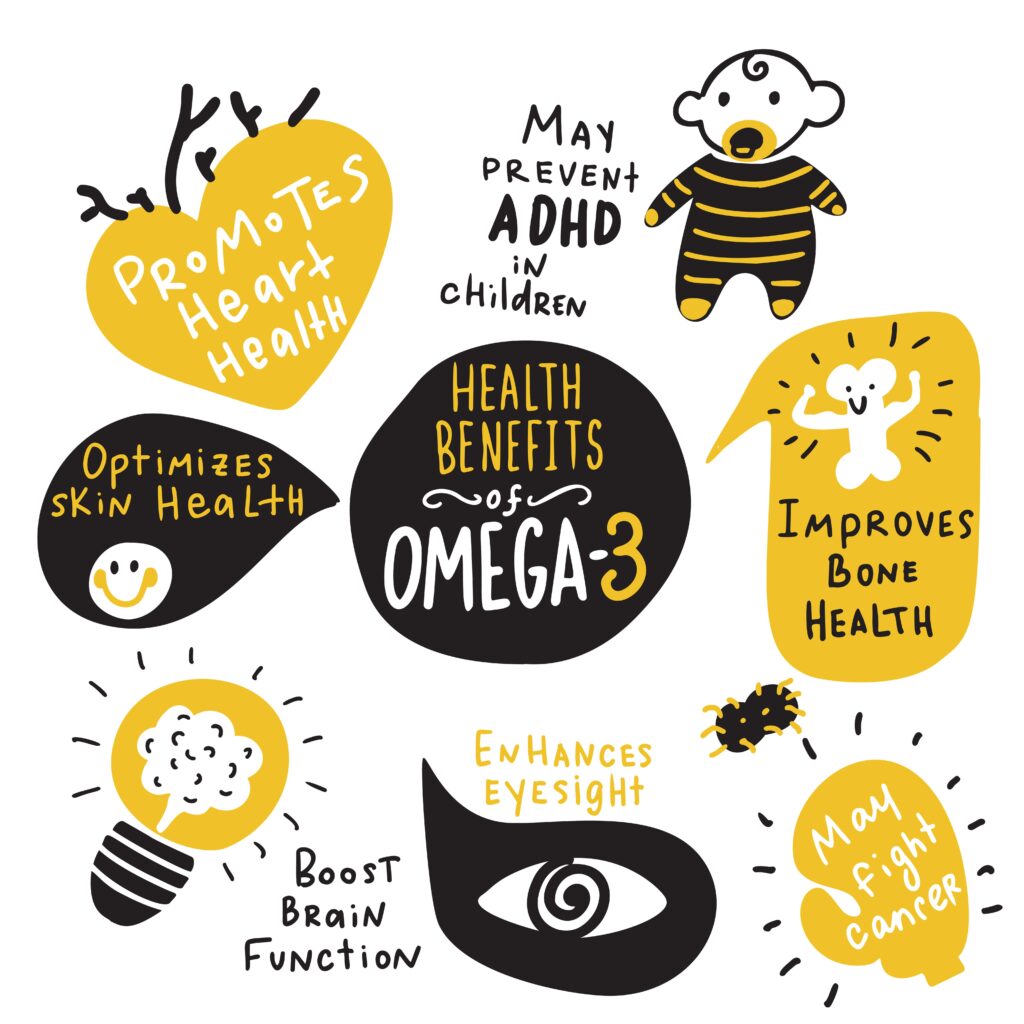
The Global Organization for EPA and DHA Omega-3s (GOED) recently published two reports on the EPA and DHA omega-3 industry: a biennial report on the global finished products market for EPA and DHA omega-3s and a scientific report on Attention Deficit Hyperactivity Disorder (ADHD) and omega-3s.
Regulation of Appetite and Probiotics
Probiotics are promising natural tools for regulating appetite by modifying gut microbiota and producing metabolites that act on the gut-brain axis. Studies on animals and humans have shown that probiotics can influence appetite-regulating molecules such as GLP-1, leptin, and ghrelin, reducing hunger and food intake. Specific probiotic strains, like Lactobacillus rhamnosus and Hafnia alvei HA4597, have demonstrated significant anorexigenic effects.
AUTHOR: Ira Renko, MSc, Master in Molecular biotechnology