
Audio Article: Potential of Ginseng as Sex-Specific Healthy Ageing Ingredient
Kemin Showcases Portfolio of Upgraded Nutritional Solutions for a Healthier Future at Vitafoods Asia 2025

Company’s human nutrition and health business unit highlights science-backed ingredients for lifelong vitality and a brighter tomorrow
ACG Welcomes European Commission’s Decision on Titanium Dioxide in Pharmaceuticals

ACG, the world’s largest integrated supplier of pharmaceutical capsules and allied solutions, welcomes the European Commission’s recent announcement allowing the continued use of titanium dioxide (TiO₂) in medicinal products.
NUTRITUNES® Launches ThymoQuin® Black Seed Oil Dietary Supplement on Amazon
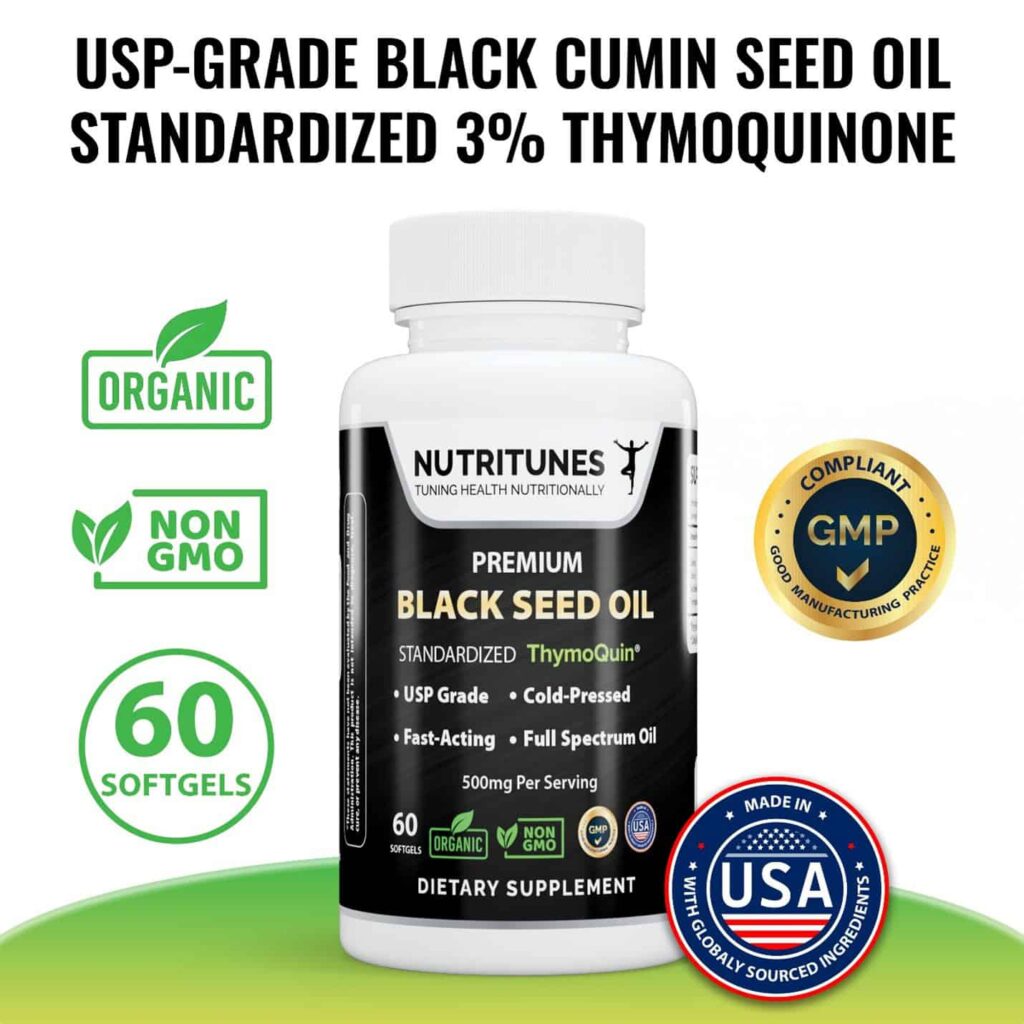
NUTRITUNES® Premium Black Seed Oil is now available on Amazon in both organic and non-organic soft gels options.
Parabens – Possibly the Most Controversial Preservatives in the History of the Cosmetics Industry

Once hailed as safe and effective, parabens have come under intense scrutiny for their potential endocrine-disrupting effects and alleged link to breast cancer. Although widely used in cosmetics for nearly a century, growing concern over their estrogenic activity has sparked debate among scientists, regulators, and consumers. Given the justified concerns regarding the human toxicty of parabens, further research is expected.
AUTHOR: Gordana Gorinšek, MSc in Phytomedicine, Expert Cosmetic Safety Assessor, Expert Regulatory Affairs Consultant
Hydration Through Diet, Supplements and Food for Special Medicinal Purposes

From everyday nutrition to clinical solutions: exploring how diet, food supplements, and foods for special medical purposes contribute to optimal hydration, enhance bioavailability, support physical performance, and address the complex challenges of fluid balance across diverse populations.
Author: Daria Šurić, MPharm, univ.spec.pharm.
Ginseng as a Triple-Target Ingredient: Mood, Menopause & Sexual Wellness

Published in Journal of Pharmaceutical Health Care Sciences (June 2025), a recent triple-blind randomized controlled trial brings renewed scientific and commercial attention to Panax ginseng as a multifunctional ingredient targeting three high-demand health areas: mood balance, menopause support, and female sexual wellness. For formulators and marketers alike, these findings present a timely opportunity to revisit […]
Optimizing Vitamin D Function: The Overlooked Role of Magnesium, Calcium Balance, and the Gut Microbiome
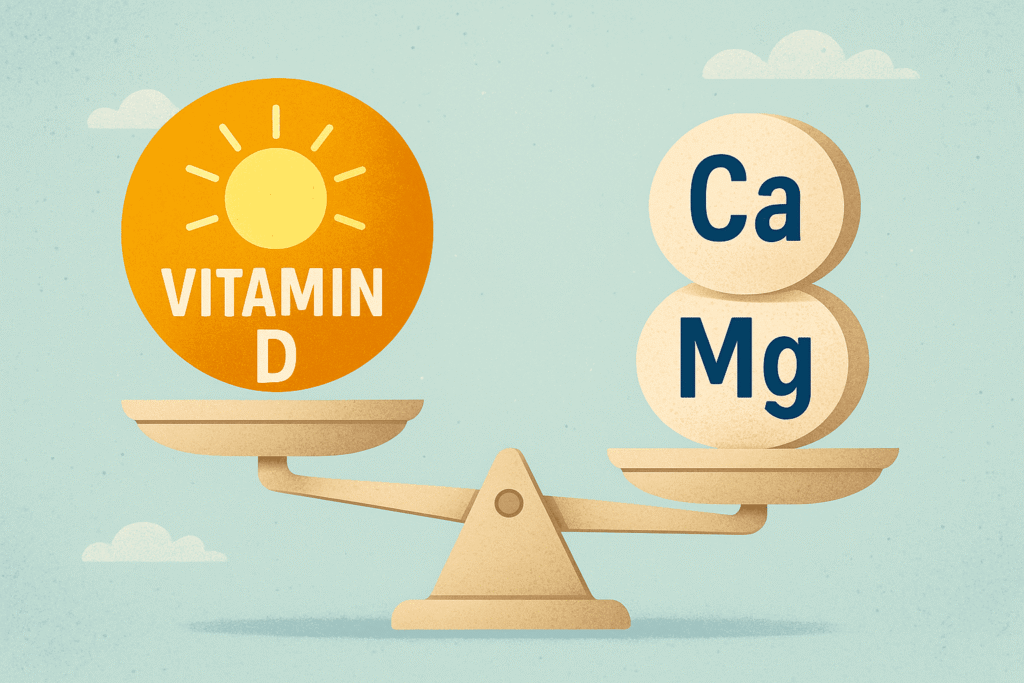
Recent insights into nutrient metabolism highlight a triad of critical importance for clinicians: vitamin D activation, calcium-to-magnesium (Ca:Mg) intake ratio, and the gut microbiome.
TrichAnalytics: Transforming Elemental Analysis for Health and the Environment
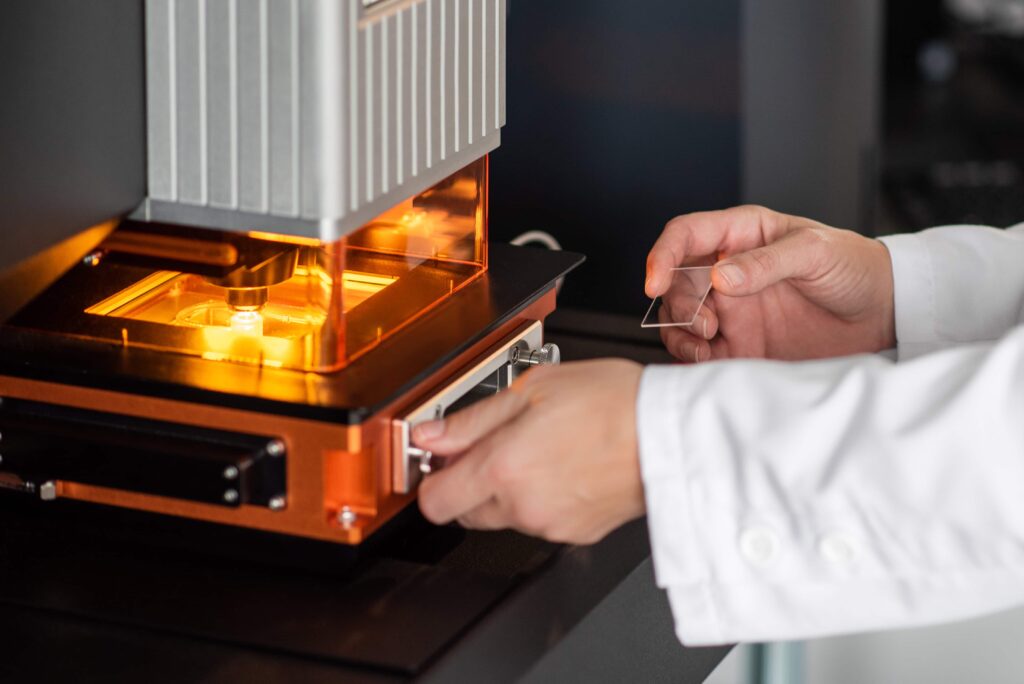
From personal inspiration to global innovation: Dr. Jennie Christensen, founder and CEO of TrichAnalytics, on pioneering non-invasive tissue analysis with LA-ICP-MS — advancing sustainability, supplement validation, and environmental monitoring.
PCOS And Gut Health
Emerging research highlights a strong link between gut microbiota and the pathophysiology of polycystic ovary syndrome (PCOS). Dysbiosis in the gut may contribute to metabolic, hormonal, and inflammatory imbalances commonly seen in PCOS patients. Understanding this connection opens new avenues for targeted therapies, including dietary strategies, probiotics, and microbiota-based interventions.
AUTHOR: Sara Kralj, MSc, Master in Nutrition